
.jpg)
How Much Does an East Africa Safari Really Cost?
There is no single answer, and anyone who gives you one number is skipping the real conversation. A realistic mid-range safari in...
Read the guide →Everything travelers ask us before booking a Uganda, Kenya or Tanzania safari — cost, timing, gorilla permits, packing, combining countries, and where Zanzibar or the Seychelles fit in — answered directly by the specialists who plan these trips for a living, not summarized from a search results page.
The highest-intent questions from the full library below — what a trip costs, when to go, what gorilla permits actually involve, and how to combine destinations into one seamless journey.
There is no single answer, and anyone who gives you one number is skipping the real conversation. A realistic mid-range safari in...
Read the guide →July through October is Kenya's headline season — dry, dusty, wildlife concentrated tightly around remaining water sources, and...
Read the guide →Uganda's permit is $800 per person for foreign non-residents in high season, dropping to $600 in the discounted low-season months...
Read the guide →Crossings cluster late July through September, with the single highest-probability window running mid-August to mid-September —...
Read the guide →The most common and best-value route links the Masai Mara directly to the Serengeti by light aircraft — a roughly...
Read the guide →The classic, and in our view still the best, honeymoon structure in the region: five to seven nights of safari first, then four...
Read the guide →Filter by category, or scroll the full list — every guide links straight through to the destination, park or itinerary it covers.
There is no single answer, and anyone who gives you one number is skipping the real conversation. A realistic mid-range safari in Kenya or Tanzania runs from roughly $400 to $700 per person per day, all-inclusive of accommodation, park fees, game drives and a private guide — luxury camps push that to $900-$1,500+, while a well-run budget camping safari can land closer to $150-$250. Uganda tracks similarly for game parks but gorilla permits sit on top as a separate line item — $800 in high season, $600 in low season (April, May and November), per person, per trek. The single biggest cost lever is not the lodge tier, it is party size and season: a private vehicle for two costs roughly the same as for four, and June-through-September pricing runs 30-50 percent above the November-May range. Flights between countries, a Zanzibar or Seychelles finale, and park conservation fees are the line items first-time planners most often forget to budget for — we build every quote with all of them itemized from day one, not added as surprises later.
Browse costed itineraries →Work backwards from your dates, not forwards from a wish list. Step one is picking your window — migration season, gorilla permit availability and shoulder-season pricing all pull in different directions, so lock this first. Step two is choosing your anchor experience: the Great Migration, gorilla trekking, or a Big Five circuit each points toward a different country or combination. Step three is deciding pace — first-timers consistently over-pack their itinerary, and three nights per camp beats two if you actually want to see wildlife rather than transit between it. Step four is budget-to-style matching: tented luxury camps, owner-run boutique lodges and simpler budget camps all deliver real wildlife, the difference is comfort and exclusivity, not sightings. Step five is booking permits and flights the moment dates are fixed, since gorilla permits and peak-season camps sell out 6-10 months ahead. The mistake we see most often is travelers building their own itinerary from blog research alone — the logistics between parks (light-aircraft schedules, road transfer times, park entry windows) are where independently-planned trips quietly go wrong.
Start your custom itinerary →For gorilla permits specifically: 6-10 months ahead, non-negotiable if you want a specific date and sector. Uganda Wildlife Authority sells a fixed daily allocation per gorilla family, and the popular Bwindi sectors (Rushaga, Buhoma) sell out well ahead of peak season (June-September, December-February). For the safari portion generally, 4-8 months ahead gives you the pick of camps during migration season and school-holiday periods; 2-3 months is often still workable in the November-May shoulder season, when availability is far less constrained. The exception that catches people out: hot air balloon safaris and specific luxury camps with fewer than ten rooms sell out even further ahead than the permits do, because supply is genuinely tiny. Our rule of thumb — if your trip includes gorilla trekking, Christmas/New Year, or a named luxury camp you have specific reasons to want, book 8+ months out. If it is a flexible mid-range Kenya-Tanzania safari in the June-October or January-March windows, 3-5 months is realistic. Deposits are typically 20-30 percent to hold space, with balances due 60-90 days before travel.
See Uganda's gorilla parks →Fly-in safaris hop between parks on light aircraft — 45 minutes to an hour per leg instead of a 4-8 hour drive — and land you inside or minutes from your camp on a bush airstrip. Road safaris cover the same ground by 4x4, with the drive time itself functioning as a rolling game drive through changing landscape, at roughly a third of the transport cost. Choose fly-in when your trip covers three or more parks, when time is genuinely tight (a 7-day trip loses a full travel day each way you drive between the Serengeti and Ngorongoro, for instance), or when comfort and minimizing fatigue matter more than budget. Choose road when your itinerary is two parks or fewer that are reasonably close together (Serengeti-Ngorongoro-Tarangire forms a natural road circuit in Tanzania; Nairobi-Amboseli-Mara less so), when you want the additional wildlife-viewing opportunity the drive itself provides, or when budget is the deciding factor — road transfers typically save 40-60 percent versus the equivalent flight sector. Many of our itineraries mix both deliberately: road for the tight circuits, fly-in for the long jumps.
See fly-in and road-safari itineraries →A private safari means your own vehicle, your own guide, and a schedule that bends entirely around what you want to see — leave at dawn if the guide radios in a leopard sighting, skip a park you are not enthusiastic about, linger an extra hour at a river crossing. It typically costs 20-40 percent more per person than a small-group departure, though for couples and families the gap narrows fast since the vehicle cost splits across fewer people either way. A scheduled group safari (typically 4-7 travelers sharing a vehicle) is meaningfully cheaper per person and works well for solo travelers who want to split costs and enjoy shared company, but you are on someone else's timetable and cannot deviate from the fixed route. Our honest read: for a once-in-a-lifetime trip, a honeymoon, or a group with mixed interests and fitness levels, private is worth the premium. For a solo traveler on a tighter budget who is genuinely happy to socialize with strangers for a week, a well-run small-group departure delivers excellent value and the same wildlife.
Discuss a private itinerary →Ask exactly what is included in the quoted price — park fees, government levies, conservation fees and gorilla permits are sometimes quoted separately, and that gap can be hundreds of dollars per person. Ask who your guide will be and how long they have worked in that specific park — a guide's regional knowledge matters more to your sightings than the camp's star rating. Ask about vehicle sharing: are you guaranteed a private vehicle, or does the operator combine travelers from different bookings without telling you upfront? Ask what happens if a flight or transfer is delayed — is there a buffer day built in, or does a missed connection cost you a night's accommodation? Ask about the operator's cancellation and rebooking policy in plain language, not just a link to terms and conditions. Ask whether the camps in your itinerary are owned and staffed locally or are a foreign-operated franchise — it affects both authenticity and where your money actually goes. And ask, directly, how long the operator has run trips in that specific country — generic pan-African agencies often subcontract logistics they do not control directly; specialists who live and work in the region do not.
See how we build every trip →July through October is Kenya's headline season — dry, dusty, wildlife concentrated tightly around remaining water sources, and the Mara River crossings in full swing from late July into September. It is also peak pricing and peak crowds at the river. January to March is the quieter, equally rewarding alternative: short dry spell, resident wildlife still excellent in the Mara, Amboseli's elephant herds at their most photogenic against clear Kilimanjaro views, and camps running 20-30 percent below July rates. April and May are the long rains — genuinely wet, some camps close, but birdlife explodes and the landscape turns a green you will not see the rest of the year; it is our pick for travelers who have been to Kenya before and want a different mood. November's short rains are brief and localized, rarely disruptive to game drives, and the resulting green flush makes it a smart shoulder-season choice most visitors overlook entirely. Our rule: come July-October for the migration spectacle and accept the crowds, come January-March for nearly the same wildlife with better light and better rates, and consider April-May only if you are past your first Kenya trip.
See Kenya's park-by-park calendar →Tanzania's calendar is really the Serengeti's migration calendar with everything else layered around it. December through March, the herds calve on the short-grass plains of the southern Serengeti and Ndutu — extraordinary predator action, dry and pleasant weather, and far fewer travelers than the Mara sees in July. June through July, the migration pushes north through the central and western Serengeti corridors. August through October, it crosses into Kenya's Mara ecosystem, though the northern Serengeti's own Mara River crossings run through this window too and are calmer than their Kenyan counterpart. April and May are Tanzania's true low season — heavy rain, some camps closed, migration dispersed and hard to predict — but Ngorongoro Crater's resident wildlife is unaffected by any of this and remains excellent year-round regardless of season, since its animals do not migrate. Zanzibar runs on its own separate calendar (see our Zanzibar and Seychelles timing guide), which is exactly why a June-through-October safari-plus-beach combination works so cleanly: you are in Tanzania for the best mainland season and the coast is simultaneously at its driest.
See Tanzania's park-by-park calendar →Uganda treks year-round — gorillas and chimpanzees do not migrate, so there is no single 'best' month the way there is for the Serengeti. What changes is trail conditions and price. June-to-September and December-to-February are the two dry windows: firmer, less slippery forest trails in Bwindi and Kibale, and the classic time to combine trekking with game drives in Queen Elizabeth or Murchison Falls National Parks. March-May and October-November are wetter — trails turn genuinely muddy and trekking becomes a harder, slower, more physical day — but permits are easier to secure on short notice and UWA's discounted low-season permit pricing (currently $600 rather than $800 for foreign non-residents in April, May and November specifically) makes this the savvy-traveler window if you are reasonably fit and do not mind mud. Birding is arguably at its best during the wetter months, when migrant species are present alongside residents. Our honest guidance: book the dry season if this is a once-only trip and comfort matters; consider the discounted shoulder months if budget flexibility outweighs trail conditions for you.
See Uganda's park-by-park calendar →'Off-season' is a misleading label — the green season (roughly November and April-May across most of the region) is when landscapes are at their most dramatic, birdlife is richest, newborn wildlife is everywhere, and camps that charge premium July rates drop 25-40 percent. The trade-offs are real and worth naming honestly: some tracks become impassable after heavy rain, a handful of camps close entirely for refurbishment, and long-distance game viewing is harder through taller grass. But predator sightings do not stop, water-dependent wildlife still concentrates near permanent rivers and swamps, and you will frequently have an entire vehicle pull-up to yourself at a sighting that would draw six trucks in August. It particularly rewards travelers who have already done a 'classic' dry-season safari and want a genuinely different experience the second time, photographers chasing dramatic skies and green backdrops instead of dust, and budget-conscious travelers who want top-tier camps at a price a July booking would never offer. We steer first-timers toward dry season and repeat travelers toward green season, but neither choice is a compromise on wildlife.
See itineraries by season →Zanzibar's driest, sunniest window is June through October, coinciding neatly with mainland Tanzania and Kenya's dry safari season — which is exactly why the beach-finale combination is so popular and so easy to plan around one continuous dry spell. A second, quieter dry window runs late December through February. Avoid mid-March through May, when Zanzibar's long rains bring genuinely heavy, sustained downpours that can disrupt an entire beach stay. The Seychelles runs on a gentler, more forgiving calendar — it sits close enough to the equator that there is no true rainy season to avoid, just two shifts in trade winds. May through September brings the cooler, drier southeast trades (best for underwater visibility and calmer seas on the eastern islands); October through April brings warmer, more humid northwest winds with a slightly higher chance of afternoon showers, but also calmer conditions on the western beaches. Practically: if you are combining a safari with a beach finale, let the safari season drive your dates and treat the Seychelles as flexible almost any time of year — it is one of the only islands in the region with no genuine bad season.
See Zanzibar's month-by-month guide →East Africa's safari belt sits at altitude — the Serengeti, Masai Mara, Ngorongoro Crater rim and most of Uganda's parks range from roughly 1,500 to 2,300 meters — which means daytime temperatures are pleasantly warm (24-29°C/75-84°F) rather than tropically hot, and early-morning game drives regularly start at 10-15°C (50-59°F), cold enough that a fleece is not optional. Two rainy seasons bracket the year almost everywhere in the region: the 'long rains' from roughly mid-March through May, and the 'short rains' from November into early December, though the short rains are typically brief afternoon downpours rather than the all-day soakings of April. Rain rarely cancels a game drive outright — vehicles have covers, and animals do not stop being visible in the rain — but it does affect road conditions and, in low-lying parks, can make some tracks temporarily impassable. Coastal Zanzibar and low-altitude Murchison Falls run noticeably hotter and more humid than the highland parks. Pack for a 20-degree daily temperature swing regardless of season: a warm layer for dawn, breathable cotton for midday, and a light rain shell year-round.
See our full packing list →It is not one event, it is a continuous, roughly 1,000-kilometer circular movement of around 1.5 million wildebeest and several hundred thousand zebra, following rainfall and fresh grass growth across the Serengeti-Mara ecosystem year-round — there is no month when 'the migration' is not happening somewhere, only months when it is somewhere specific and dramatic. The circuit runs, broadly: December-March calving on the short-grass plains of the southern Serengeti and Ndutu, where up to 8,000 calves are born daily at the peak; April-May moving northwest through the central Serengeti as the plains dry out; June-July pushing further north through the western corridor, crossing the Grumeti River; August-October concentrated in the northern Serengeti and Kenya's Masai Mara, where the famous Mara River crossings happen; and November's short rains pulling the herds back south to complete the loop. What surprises first-timers most is that the herds do not move as one block — they fragment into columns that can be 40 kilometers apart, following localized rain, which is precisely why a specialist guide reading current conditions matters more than any generic month-by-month chart, including this one.
See Serengeti National Park →Crossings cluster late July through September, with the single highest-probability window running mid-August to mid-September — but 'probability,' not certainty, is the honest word, since a crossing depends on herds actually reaching the river's edge in numbers and building the nervous momentum that tips them into the water, and that can happen on any given day or not at all for a week. The northern Serengeti's Mara River crossing points (around Kogatende) tend to be calmer and less crowded than the Kenyan side's famous crossings near the Mara Triangle; the Kenyan crossings draw more vehicles but are marginally more reliable in peak weeks because the herd concentration is denser there by late August. Multi-night stays beat single-night stops badly here — three or four nights at a camp positioned near an active crossing point gives your guide the flexibility to reposition daily based on herd movement reports shared across camps each morning, whereas a one-night stop is a coin flip. If witnessing a crossing is your primary goal rather than a nice-to-have, build your entire itinerary's timing around it and treat everything else as secondary.
See our Great Migration experience →The honest answer is that it depends entirely on your month, not on which park is 'better' in the abstract. December through July, the herds are almost always in Tanzania — calving in the southern Serengeti, then moving north through the central and western corridors — and the Masai Mara is comparatively quiet game country during this stretch, still excellent for resident wildlife but not migration viewing. August through October, the balance flips: the herds are typically split between the northern Serengeti and the Masai Mara, with the Mara often holding the denser concentration and the more famous crossings during peak weeks. The Serengeti is vastly larger (nearly 15,000 km² against the Mara's roughly 1,500 km², including its conservancies), which spreads sightings and vehicles out more and generally means a less crowded experience even in peak season. The Mara's conservancies — private land bordering the reserve with strict vehicle limits — are the best-kept secret for travelers who want Mara-level migration odds without Mara-level crowding. Our practical rule: book Tanzania for a December-July trip, Kenya (ideally with a conservancy stay) for August-October, and consider both only if your trip is long enough to genuinely justify the crossing between them.
See the Maasai Mara →Late January through March, roughly 400,000 wildebeest calves are born within a tight three-to-four-week peak on the short-grass plains around Ndutu and the southern Serengeti — one of the highest concentrations of newborn mammals anywhere on Earth, and the predator action that follows is relentless: cheetah, lion and hyena all key in on the easiest hunting season of their year. It draws a fraction of the crowds that the July-through-September crossings do, largely because it lacks the single dramatic 'moment' of a river crossing that markets so well in brochures, but the wildlife density and predator interactions genuinely rival or exceed peak season. The plains here are flat, open and short-grassed specifically because that is what triggers calving — easy predator visibility for the herds, and easy game-viewing sightlines for you. Weather is warm and mostly dry with only occasional short showers, night skies are exceptional, and camps run noticeably below their July-September rates for what many repeat safari-goers consider the single best wildlife month in the entire Serengeti calendar. If you have already 'done' a crossing-season trip, this is where we send you next.
See migration-timed itineraries →Build the trip around a location, not a fixed date — because the herds move on their own schedule regardless of your booking, the right approach is choosing camps positioned in the ecosystem where the migration is statistically most likely to be during your travel window, then trusting your guide's daily repositioning within that. Stay a minimum of three nights per migration-focused camp; two nights is not enough time to adapt to where the herds actually are versus where the calendar says they should be. Favor camps that move seasonally (several operators run true mobile camps that relocate with the herds through the year) or camps with strong inter-camp communication networks that share real-time sighting reports each morning. Build in one 'flex' day with no fixed plan if your budget allows — the single best migration moments we have witnessed came from a guide rerouting an entire day's plan on a radio tip. And resist the urge to chase the migration across two countries in one short trip purely to 'see everything' — a focused four or five nights in the right single location beats a rushed cross-border dash that spends half your trip in transit.
Build your migration itinerary →Not overrated, but frequently oversold on one specific promise: that you will definitely witness a dramatic river crossing on a short trip timed to 'peak season.' You might not, even in late August — crossings depend on herd momentum building on a given day, and a two-night stay can easily miss the window entirely while a herd sits on the riverbank for a week deciding whether to cross. What is never overhyped is the sheer scale of the herds themselves: standing in the middle of tens of thousands of wildebeest and zebra stretching to the horizon, hearing the sound of that many hooves and grunting calls at once, is genuinely one of the most affecting wildlife experiences on the planet, crossing or no crossing. Our honest advice: if a river crossing specifically is your bucket-list image, build a longer stay (4+ nights) at a well-positioned camp during peak weeks and treat it as likely rather than guaranteed. If you simply want to witness the migration's scale, almost any month puts you among substantial numbers of animals somewhere in the ecosystem, and the pressure to time everything around one specific photograph mostly falls away.
See our Great Migration experience →Uganda's permit is $800 per person for foreign non-residents in high season, dropping to $600 in the discounted low-season months of April, May and November — a genuine, UWA-announced discount, not a marketing gimmick. Rwanda's permit is a flat $1,500 year-round, with no equivalent seasonal discount. That is a substantial gap, and it is not the only difference: Rwanda's Volcanoes National Park is a shorter drive from Kigali's international airport, treks tend to involve less strenuous terrain on average, and the overall infrastructure feels more polished. Uganda's Bwindi Impenetrable Forest offers a genuinely wilder, denser-forest experience across four distinct trekking sectors with more gorilla families overall, a lower cost even at high season, and equally strong conservation outcomes. Neither country's experience is 'better' in absolute terms — Rwanda suits travelers prioritizing convenience and willing to pay for it; Uganda suits travelers who want the lower price point, do not mind a longer drive from Entebbe, and want the option to pair trekking with genuinely excellent savanna parks (Queen Elizabeth, Murchison Falls) in the same country. We build both, but the majority of our clients choose Uganda specifically for the value gap.
See Uganda's gorilla trekking parks →More fit than most people expect, less fit than the word 'trekking' implies to a serious hiker. Treks range from a comfortable 30-45 minutes to a genuinely demanding 6-8 hours, and you do not know in advance which one you will get — it depends entirely on where the assigned gorilla family happens to be that morning, on steep, often muddy, sometimes vine-tangled forest terrain at altitude (Bwindi sits at 1,500-2,600 meters). You do not need to be a serious hiker, but you do need to be able to sustain moderate, uneven-terrain walking for several hours without stopping every few minutes, and to be comfortable with some genuine physical discomfort — mud, thorns, humidity, occasional scrambling on hands and feet. Porters are available and genuinely worth hiring (a modest daily fee that also directly supports the local community) even for fit travelers, since they carry your pack and provide a steadying hand on steep sections. UWA does allow trekkers to request an 'easier' gorilla family assigned to a group with lower fitness, and being upfront about your fitness level when booking meaningfully affects which family and trailhead you are assigned. Travelers with significant mobility limitations should discuss this candidly with us before booking — some sectors are genuinely not accessible.
See Bwindi's trekking sectors →Bwindi has four trekking sectors, each with its own access town, terrain character and gorilla families, and the sector you choose shapes your whole day far more than most travelers realize before booking. Buhoma, in the north, is the original and most established sector — gentler terrain on average, the widest lodge selection from budget to luxury, and the easiest access from Uganda's Queen Elizabeth National Park, making it the natural choice if you are combining trekking with a savanna safari. Ruhija, in the east, sits at Bwindi's highest and coolest elevation with genuinely steep terrain, rewarding fitter travelers with fewer crowds and strong birding alongside the gorillas. Rushaga, in the south, has the greatest concentration of habituated families and is also where UWA's Gorilla Habituation Experience runs — a longer, four-hour permit that lets you join researchers with a family still being acclimatized to human presence rather than a standard one-hour visit. Nkuringo, also southern, offers dramatic Virunga views but consistently the steepest, most physically demanding descent-then-climb-back-out terrain of the four. We match sector to fitness level and itinerary routing during planning, not after — it is the single highest-leverage decision in a Uganda gorilla trip.
See Bwindi Impenetrable National Park →Kibale Forest holds one of East Africa's densest primate populations and the region's best habituated chimpanzee communities — treks are typically shorter and less physically demanding than gorilla trekking (most sightings happen within one to three hours), and permits run considerably cheaper, at roughly $250 per person versus a gorilla permit's $600-800. Chimpanzees are far more active and vocal than gorillas — expect loud calling, branch-shaking displays, and genuine movement through the canopy rather than the more settled, ground-based gorilla family groups, which makes for a different but equally memorable hour once you locate them. Kibale also offers a longer four-hour Chimpanzee Habituation Experience for travelers who want extended time with a community still being acclimatized to researchers, at a higher permit cost but a genuinely deeper encounter. Beyond chimpanzees, Kibale hosts twelve other primate species, including L'Hoest's monkeys and the striking red colobus, making it worth a full day even beyond the headline trek. It pairs naturally with Queen Elizabeth National Park's savanna game viewing just south, or with a Bwindi gorilla trek as part of a single Uganda primate-focused circuit — most of our Uganda itineraries build in both.
See Kibale Forest National Park →Permits are sold by the Uganda Wildlife Authority (or Rwanda Development Board across the border) in a fixed daily allocation per gorilla family — typically eight permits per family per day — and popular sectors during peak months routinely sell out 6-10 months ahead. As of UWA's 2026 tariff overhaul, full payment is required at the time of booking to secure a permit; the previous system that allowed a temporary reservation hold before payment has been discontinued, so a permit is only genuinely yours once it is paid in full. The practical process: fix your travel dates first, then let us (or a licensed operator) purchase the permit directly in your name through official channels the moment dates are confirmed — permits are non-transferable and tied to a specific person's passport details. Never pay a private individual or unverified third party for a 'guaranteed' permit outside official booking channels; it is a common scam targeting independent travelers. Building a buffer of flexibility into your dates — willing to shift by a few days either way — meaningfully improves availability, since exact-date requests during peak weeks are the first to sell out.
Start your gorilla trekking booking →Your day starts early — a 6:30-7am briefing at the park headquarters, where rangers assign trekking groups (maximum eight visitors per gorilla family) based on your stated fitness and the trackers' overnight reports on where each family was last seen. Armed rangers and guides lead the trek; trackers who left before dawn radio back updates on the family's movement as you walk, so the route adjusts in real time. The walk itself can be short or long, as covered above — what is constant is the moment it ends: at roughly seven meters from the gorillas (the mandated minimum distance), you get exactly sixty minutes with the family, timed by rangers, no exceptions even if you arrive mid-morning or the family is especially active. That hour is unstructured — no script, no forced photo positions — you simply watch a family group of gorillas go about an entirely normal morning: juveniles play-wrestling, a silverback dozing or moving deliberately between feeding spots, mothers grooming infants, entirely unconcerned by your presence after years of habituation. Photography is permitted (no flash), voices stay low, and then, on the ranger's signal, the hour is over and you walk back out — often in a kind of stunned quiet that says more than any review can.
See our gorilla trekking parks →The Maasai Mara National Reserve and Serengeti-Ngorongoro ecosystem are the region's most reliable Big Five circuits — lion and buffalo sightings are close to guaranteed on a multi-day stay in either, leopard takes patience and a sharp guide but is realistic within three to four days, elephant is abundant across nearly every park in the region, and rhino is genuinely the hard one. For rhino specifically: Ngorongoro Crater holds a small, closely protected black rhino population viewable from the crater floor; Kenya's Lake Nakuru National Park and several private conservancies (Ol Pejeta among them, bordering our core destinations) run dedicated, well-monitored rhino sanctuaries with far higher sighting odds than open savanna parks offer. Uganda's savanna parks — Queen Elizabeth and Murchison Falls — carry strong lion, buffalo and elephant populations but limited rhino (a dedicated sanctuary at Ziwa is the country's realistic rhino option, tracked on foot rather than by vehicle). A genuine 'all five, one trip' itinerary is realistic across a combined Kenya-Tanzania safari of eight-plus days, or a Kenya trip alone that specifically includes a rhino-focused conservancy stay — we flag this explicitly during planning rather than assuming a standard Mara-only trip covers it.
See all five destinations →The 'Big Five' — lion, leopard, elephant, buffalo and rhino — was coined by colonial-era big-game hunters to rank the five animals most dangerous to hunt on foot, not the five most impressive to see, which is worth knowing since it shapes expectations oddly. The more recently popularized 'Big Nine' adds cheetah, giraffe, zebra and the hippopotamus, reflecting what travelers actually rank among their most memorable sightings rather than a hunting-era ranking. Practically, the Big Nine is far easier to complete on a single well-planned safari than the original Five — giraffe, zebra and hippo are abundant across nearly every park in Kenya, Tanzania and Uganda, and cheetah, while less common than lion, is a realistic sighting in open-plains habitat like the Serengeti's Ndutu area or the Mara's grasslands, where their hunting style depends on exactly the visibility those plains provide. We find most first-time travelers arrive fixated on the original Five as a checklist and leave far more moved by a cheetah hunt, a hippo pod's chaos at a waterhole, or a giraffe silhouetted against a sunset than by ticking off a rhino from 200 meters — worth recalibrating expectations toward before you travel, not after.
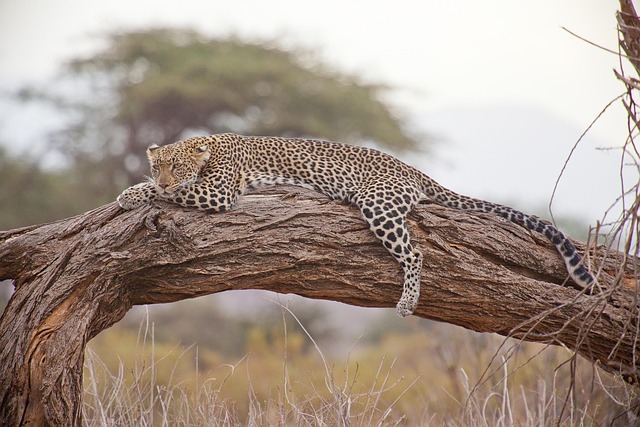
See our wildlife experiences →Tree-climbing is real, genuinely unusual lion behavior, and only reliably documented in a handful of locations worldwide — Tanzania's Lake Manyara National Park and Uganda's Ishasha sector of Queen Elizabeth National Park are the two most accessible on a standard safari circuit. Most lion populations elsewhere in Africa rarely climb, and when they do it is usually briefly, for a better vantage point. In Manyara and Ishasha, though, it is a regular, almost daily behavior for entire prides, who spend hours draped over the horizontal branches of fig and acacia trees, seemingly for comfort — escaping biting flies and ground heat, and possibly for a cooler breeze and a better watch over the plains below, though the exact reason is still debated among researchers. Sightings are good but not guaranteed on any single visit; guides who know the specific trees a pride favors improve your odds meaningfully, which is exactly the kind of hyper-local knowledge that separates an average game drive from an exceptional one. Manyara pairs naturally with a Ngorongoro-Serengeti circuit as a shorter stop en route; Ishasha sits at the far southern end of Queen Elizabeth National Park, worth the detour specifically for this behavior if tree-climbing lions are on your list.
See Queen Elizabeth National Park →Rhino sightings are the hardest of the Big Five to guarantee on open savanna because populations are small and closely protected against poaching, which means the best odds come from parks and conservancies purpose-built around rhino security rather than general wildlife density. Kenya's Lake Nakuru National Park is fully fenced specifically to protect both black and white rhino, and sightings there are genuinely reliable — among the best in the region for a standard game-drive-style encounter. Private conservancies bordering the Maasai Mara ecosystem run similarly intensive rhino protection with excellent guide-to-guest ratios, worth building into a Kenya itinerary specifically for this. Tanzania's Ngorongoro Crater holds a small, ancient black rhino population, visible from the crater floor though sightings require patience and are never guaranteed on a single visit. Uganda's rhino story is different again — the country's wild population was hunted to extinction decades ago, and today's population exists at the dedicated Ziwa Rhino Sanctuary, where you track rhino on foot with an armed ranger rather than by vehicle, a genuinely different and memorable experience worth adding as a stop between Entebbe and the western parks.
See Ngorongoro Conservation Area →Uganda alone holds over 1,000 recorded bird species — more than almost any country on Earth relative to its size — making it a serious, dedicated birding destination in its own right, not just a gorilla-trekking add-on. Bwindi and Kibale's forest interiors hold dense concentrations of forest specialists and Albertine Rift endemics found almost nowhere else, while the wetlands of Queen Elizabeth National Park and the Nile below Murchison Falls draw enormous numbers of water birds, including the near-mythical shoebill stork, a genuine birder's bucket-list species best found in the Mabamba Swamp near Entebbe. Kenya and Tanzania's savanna parks are excellent general birding alongside the mammal-focused game drives — raptors, hornbills and the almost absurdly colorful lilac-breasted roller (a fixture of nearly every safari photo album) are everywhere — while Lake Nakuru and the alkaline Rift Valley lakes periodically host vast flamingo congregations, though numbers shift year to year with water chemistry. Green season (November, April-May) is genuinely the best birding window region-wide, when migrant species from Europe and northern Africa overlap with residents. A dedicated birding guide, rather than a generalist safari guide, meaningfully changes the yield if birding is a genuine priority rather than a pleasant sideline.
See Uganda's birding parks →Standard daytime game drives miss roughly 70 percent of African mammal species by activity pattern alone, since much of the bush's wildlife — leopard, hyena, genet, civet, bushbaby, and the hunting behavior of lion themselves — is substantially nocturnal. Night drives, using a red-filtered spotlight that does not disturb natural behavior the way white light does, are permitted in specific concessions and private conservancies (not inside most core national parks, where regulations restrict driving after dark) and reveal an entirely different, quieter, more mysterious side of the same landscape. Walking safaris work the opposite sense entirely — slow, on foot, with an armed ranger reading tracks, dung, alarm calls and vegetation in a way no vehicle can replicate, genuinely teaching you to read the bush rather than simply observing it from a seat. Neither replaces the classic game drive; both meaningfully deepen a trip that includes one. We recommend adding at least one of each to any stay longer than four nights at a camp that offers them — typically private conservancies bordering the Mara, Serengeti and Ugandan parks, rather than the more heavily regulated core reserves themselves.
See our activity-based experiences →Most camps and lodges set a minimum age of six for game drives, occasionally lower at family-specialist properties with private vehicles, and this is a genuine safety and enjoyment consideration, not an arbitrary rule — long, quiet hours in a vehicle are hard for younger children and can be unsafe around unpredictable wildlife on foot at camp. Six to twelve is, in our experience, the sweet spot: old enough to sit through drives, genuinely fascinated rather than bored, and young enough that the wonder is uncomplicated. Teenagers get real value from more active add-ons — walking safaris, cultural visits, a Kilimanjaro trek for older, fitter teens — that younger children cannot safely do. Gorilla trekking has a firm minimum age of fifteen, set by park authorities, not a preference, so it is simply off the table for a family trip with younger kids regardless of fitness. For families with children under six, a beach-forward Zanzibar or Seychelles stay with a short, easy wildlife add-on (a day trip rather than a multi-day safari circuit) is usually a better match than a full game-drive-heavy itinerary. We plan every family trip around the youngest child's actual age and temperament, not a generic 'family safari' template.
See our family safari itineraries →The difference between a merely child-tolerant camp and a genuinely family-built one shows up in specifics: dedicated family suites or connecting rooms rather than adults expected to share one room with kids, a fenced or supervised pool area, junior-ranger programs that teach basic tracking and bush skills rather than just entertaining kids while parents game-drive, and flexible meal timing instead of one fixed formal sitting. The best family camps also run a second, shorter vehicle specifically for family game drives, paced around a child's attention span rather than a standard three-hour adult drive, and stock kid-sized binoculars and identification books as standard. Kenya's private conservancies bordering the Mara and Tanzania's northern circuit both have a strong bench of purpose-built family properties, generally at a premium above standard adult-oriented luxury camps but genuinely worth it for the difference in a child's actual experience versus simply tolerating an adult itinerary. We specifically flag which properties in any itinerary run real kids' programs versus which merely 'allow' children, since the marketing language between the two is frequently identical even though the on-ground experience is not.
See family-friendly itineraries →The classic, and in our view still the best, honeymoon structure in the region: five to seven nights of safari first, then four to six nights unwinding on Zanzibar's coast — the sequencing matters, since safari mornings start at 6am and beach mornings do not, and couples consistently tell us they were glad to 'get the early wake-ups out of the way' before shifting into rest mode. On the safari leg, honeymoon-specific touches worth requesting explicitly: a private vehicle rather than shared, a room or tent with a private plunge pool or deck, bush-dinner and sundowner setups that most camps will arrange with advance notice, and adults-only or couples-focused properties if you specifically want to avoid a family-heavy camp during peak school-holiday weeks. On Zanzibar, the northern beaches around Nungwi and Kendwa suit couples wanting a livelier scene with restaurants and sunset dhow cruises; the quieter east coast around Michamvi and Pongwe suits those wanting genuine seclusion. A private transfer directly from your final safari camp to the coast, timed to avoid an overnight in Zanzibar Town, keeps the whole two weeks feeling like one seamless trip rather than two separate ones stitched together.
See our Zanzibar honeymoon guide →The core challenge is genuinely different mobility, stamina and interest levels sharing one itinerary, and the fix is building in flexibility rather than forcing everyone through an identical fixed schedule. Choose camps with a range of activity intensity on offer each day — an easy morning game drive everyone joins, plus an optional afternoon walking safari or longer excursion only the more active members take, while others rest at camp. Prioritize properties with step-free access to rooms and communal areas if any member of the group has mobility limitations — not every luxury camp is built this way, and it is worth confirming specifically rather than assuming. Multiple family suites or interconnected rooms matter more here than almost any other trip type, since three generations rarely want to share one tent. Consider splitting a longer trip into distinct chapters — a wildlife-heavy circuit the fittest members lead, followed by a lower-key beach stay in Zanzibar or the Seychelles that suits every age and energy level equally, letting the group reconvene for the easier half. We build multigenerational trips around the group's least mobile or youngest member's realistic limits first, then layer optional intensity on top for everyone else.
Plan a multigenerational trip →Safari lodges and camps price per room, not per person, which means solo travelers on a private itinerary typically pay a 'single supplement' — often 30-70 percent above the per-person twin-share rate — to cover the room cost a shared booking would split. Joining a scheduled small-group departure sidesteps this almost entirely, since you share a vehicle and often a room-share option with other solo travelers, at a meaningfully lower total cost than booking private. On safety specifically: East Africa's safari circuit is genuinely one of the more straightforward regions for solo travelers, including solo women, precisely because you are almost never actually alone — you are with a private guide or small group, inside a managed camp, for the entire trip, a fundamentally different risk profile than independent backpacking. That said, sensible practices apply as anywhere: confirm airport transfers are pre-arranged rather than arriving to arrange transport on the spot, choose camps with 24-hour staff presence, and avoid walking unescorted after dark even within a fenced property, since wildlife (not people) is the relevant risk at night in bush camps. We routinely arrange solo trips and can match you into small-group departures specifically to reduce cost without any compromise on the experience itself.
See our itinerary library →Camps genuinely excel at this, more so than most travelers expect — a private bush breakfast or sundowner setup at a scenic spot, arranged with the camp's help and complete discretion from staff, is a realistic and well-executed option at the majority of mid-range-and-up properties across Kenya, Tanzania and Uganda, not just at ultra-luxury camps. For a proposal specifically, build in at least two full days at the chosen camp before attempting it, so staff have time to scout locations and weather with your guide rather than rushing a first-day plan; a hot air balloon safari over the Serengeti or Mara at sunrise is a genuinely spectacular, if pricier, alternative setting many couples choose instead of a ground-based moment. For milestone birthdays and anniversaries, camps will often arrange a private dinner setup, a cake, or a small celebratory gesture with advance notice at no or modest extra cost — worth flagging when booking, not assuming will happen automatically. We coordinate every detail of these moments directly with camp management well ahead of arrival, including honest weather and lighting guidance for the specific date and location, since a proposal moment is not something we believe should be left to chance on the day itself.
Plan a milestone trip →Clothing: neutral earth tones (khaki, olive, tan) rather than bright colors or pure white, which show dust and can spook wildlife; avoid full camouflage patterns, which are restricted or illegal for civilians to wear in several East African countries. Layer for a roughly 20-degree daily swing — a warm fleece or jacket for dawn game drives, breathable long sleeves for sun and insect protection through midday, and a light rain shell regardless of season. Closed, comfortable walking shoes for camp and any walking safaris; sandals for camp downtime. Gear: binoculars (bring your own rather than relying on a shared camp pair), a wide-brim hat, high-SPF sunscreen and lip balm, and a dry bag or protective sleeve for camera gear on dusty roads. Practical essentials: a reliable insect repellent with DEET for evening hours, a basic personal first-aid kit including any personal medications in original packaging, a headlamp for camps without full-time electricity, and a lightweight day bag for flights between camps, which typically carry a strict 15kg soft-bag weight limit on light aircraft. Leave the hard-shell suitcase at home for any itinerary including a fly-in leg — it will not fit the aircraft's luggage hold.
See our destination guides →Yellow fever vaccination (or a medical exemption certificate) is a mandatory entry requirement for Uganda, Kenya and Tanzania if you are arriving from, or have transited through, a country with risk of yellow fever transmission — and increasingly, several East African countries now require proof of vaccination from all arriving travelers regardless of origin, so confirm current entry rules for your specific nationality and routing well before departure, since requirements shift. Routine vaccinations (MMR, tetanus, hepatitis A and B, typhoid) should be current regardless of yellow fever status, and a pre-trip consultation with a travel health clinic 4-6 weeks before departure is genuinely worth the appointment rather than relying on general advice. Malaria risk exists across nearly all of the safari regions covered here, including Zanzibar's coast, and antimalarial medication (several options exist, discuss which suits your medical history with a doctor) alongside consistent evening insect repellent and covering up at dusk is standard, sensible practice, not an overreaction. The Seychelles, by contrast, is malaria-free, which is worth knowing if malaria prophylaxis side effects are a genuine concern for part of your trip. None of this should be alarming — it is routine, well-understood travel medicine that millions of safari travelers navigate every year without incident.
See our malaria-free Seychelles guide →Uganda, Kenya and Tanzania each operate an online e-visa system for the large majority of nationalities, applied for in advance rather than purchased on arrival — processing typically takes a few business days, so apply at least two to three weeks ahead of travel rather than the night before. A genuinely useful regional option for many nationalities: the East Africa Tourist Visa, a single visa covering Uganda, Kenya and Rwanda (not Tanzania, which sits outside this specific scheme) for multiple entries across all three countries within a set validity window, which is meaningfully more convenient and often cheaper than three separate single-country visas if your itinerary crosses those particular borders. Zanzibar is part of Tanzania and does not require a separate visa beyond Tanzania's own. The Seychelles requires no advance visa for the great majority of nationalities — only a valid passport, proof of accommodation and a return ticket, checked on arrival, making it one of the most visa-friendly destinations in the entire region. Requirements shift by nationality and occasionally by policy change, so we confirm exact current requirements for your specific passport as a standard part of planning every itinerary, rather than relying on generic guidance.
See all five destinations →Yes, for the specific kind of travel this guide covers — a planned safari and island itinerary moving between managed camps, private transfers and well-established tourist routes — millions of travelers do exactly this safely every year across Uganda, Kenya, Tanzania, Zanzibar and the Seychelles. The real risk profile of a safari trip has almost nothing in common with general urban crime statistics you might read for a capital city, since a well-run itinerary keeps you inside a structured, guided experience from airport pickup to departure, not navigating unfamiliar cities independently. The genuine, practical safety considerations are wildlife-related rather than crime-related: following camp staff guidance about walking after dark within unfenced properties, staying inside the vehicle during game drives unless a guide specifically indicates it is safe to disembark, and respecting the minimum-distance rules around gorillas and other wildlife. Standard sensible-traveler practices apply in cities and transit hubs, exactly as they would in any unfamiliar country — secure valuables, arranged rather than hailed transport, awareness in crowded areas. We monitor regional conditions continuously and would tell you plainly, not diplomatically, if a specific route or period warranted added caution or a change of plan.
Talk to a specialist about your trip →Standard travel insurance and dedicated medical evacuation cover are two different things, and a safari itinerary genuinely needs both. Standard travel insurance covers trip cancellation, lost luggage and routine medical treatment — worth having for any international trip. Medical evacuation cover is specific to remote-area travel: many safari camps sit hours from the nearest hospital capable of handling a serious injury or illness, and evacuation, when needed, happens by light aircraft or helicopter arranged through dedicated flying-doctor membership services active across Kenya, Tanzania and Uganda. Membership is inexpensive relative to the cost it protects against (typically well under $100 for a multi-week trip) and, critically, guarantees evacuation is arranged immediately rather than after an insurance claims process that could take hours you do not have in a genuine emergency. Most reputable camps either include base membership automatically or can arrange it on arrival, but confirming this explicitly before you travel, rather than assuming it is covered, is the single most-overlooked piece of safari trip prep we see. We build evacuation membership confirmation into every itinerary we plan as a standard checklist item, not an optional upsell.
Discuss trip insurance with a specialist →Tipping is expected, not optional, across the entire region, and guides' and camp staff's income structure genuinely accounts for it, so treat it as a planned line item rather than a surprise. General guidance across Kenya, Tanzania and Uganda: $15-25 per person per day for your safari guide, $10-15 per person per day pooled for general camp staff (often collected via a communal tip box each property provides), and a smaller separate amount for trackers if your itinerary includes gorilla or chimpanzee trekking, typically $10-20 per person for the trekking guide and a similar smaller amount for porters. US dollars in cash, in small denominations and printed after 2013 (older or damaged notes are frequently refused across the region), remain the most reliable and widely accepted tipping currency, though a growing number of camps now also accept mobile-money or card-based tipping. Private drivers and transfer staff outside the main safari portion warrant a smaller separate tip, roughly $5-10 per day. We include a specific, written tipping guide tailored to your exact itinerary and camps in every trip pack we send ahead of travel, so this is never something you are calculating on the fly at checkout.
Get your personalized trip pack →The most common and best-value route links the Masai Mara directly to the Serengeti by light aircraft — a roughly 45-minute-to-one-hour flight that avoids the land border crossing entirely, which is the option we build into the large majority of combined Kenya-Tanzania itineraries. An overland border crossing (via the Isebania/Sirari crossing) is possible and cheaper, but adds a genuinely long travel day — often six-plus hours including border formalities — that eats into game-viewing time, and we generally only recommend it for budget-focused itineraries where the cost saving outweighs the lost day. Nairobi and Arusha (Tanzania's northern-circuit gateway) both have reasonable international flight connections, so many combined itineraries fly into one country and out of the other rather than doubling back, which is more efficient if your airline routing supports it. A well-paced combined trip typically runs 10-14 days to do both countries justice without feeling rushed — shorter than that, and we usually recommend picking one country and going deeper rather than skimming both. Timing matters too: Kenya and Tanzania's best migration windows differ by month (see our migration timing guide), so the order you visit them in should follow the herds, not just geography.
See Kenya-Tanzania combined itineraries →This combination pairs Uganda's primate trekking with Kenya's classic savanna and migration safari, and it works logistically better than many travelers assume — direct flights connect Entebbe and Nairobi in roughly two hours, making the transition between the two countries straightforward rather than a full lost travel day. The natural sequencing: gorilla or chimpanzee trekking first in Uganda's forests (Bwindi and/or Kibale), which are physically the most demanding days of the trip, followed by the more restful, vehicle-based game viewing of a Kenya safari once the trekking is behind you, rather than the reverse. A realistic minimum for this combination is 9-11 days — roughly four to five nights in Uganda covering one primate trek and a savanna park (Queen Elizabeth or Murchison Falls), then five to six nights in Kenya covering the Mara and typically a second park like Amboseli. This is one of our most-requested combinations precisely because the two countries offer such genuinely different experiences within a manageable total trip length — dense, intimate forest trekking against wide-open savanna and migration spectacle — rather than two versions of the same thing.
See Uganda-Kenya combined itineraries →Zanzibar's biggest practical advantage as a safari add-on is proximity — short, frequent flights connect it directly to Arusha, Dar es Salaam, Nairobi and the northern Serengeti's own airstrips, meaning you can go from a final game drive to a beachfront pool within a single travel day, no overnight layover required. The psychological shift matters as much as the logistics: four to seven nights decompressing on white sand after the early wake-ups and dust of a safari is, by a wide margin, the most common piece of unprompted feedback we hear from clients who build this combination in. Northern beaches (Nungwi, Kendwa) suit travelers wanting restaurants, sunset dhow cruises and a livelier evening scene; the quieter east coast (Michamvi, Pongwe, Matemwe) suits those wanting genuine seclusion and better snorkeling directly offshore. Beyond the beach itself, Zanzibar rewards at least one full day inland — Stone Town's UNESCO old quarter, a spice-farm tour, and Jozani Chwaka Bay National Park's red colobus monkeys are all worth the detour from the coast. Our rule of thumb: allocate roughly 60 percent of trip length to safari, 40 percent to Zanzibar, for a combination that feels balanced rather than like an afterthought tacked onto either end.
See our Zanzibar destination guide →Where Zanzibar offers a lively, culturally rich beach finale, the Seychelles offers something quieter and more exclusive — 115 granite and coral islands scattered across the western Indian Ocean, with a level of privacy and low-density tourism that Zanzibar's more developed coast cannot match. The connection routes through Nairobi with a four-to-five-hour onward flight, longer than the Zanzibar hop but still a single travel day door to door from most safari camps. Mahé holds the international airport and Morne Seychellois National Park's misty interior; Praslin is home to the extraordinary Vallée de Mai palm forest and some of the region's best beaches; La Digue moves at an ox-cart-and-bicycle pace with the iconic granite boulders of Anse Source d'Argent. Most travelers combining a safari with the Seychelles choose two islands rather than attempting all three, since inter-island transfers (by short flight or ferry) add up quickly on a shorter trip. It particularly suits honeymooners and travelers specifically seeking privacy and exclusivity over Zanzibar's livelier, more social beach-town atmosphere — the two islands groups serve genuinely different travelers, not better-or-worse versions of the same beach finale.
See our Seychelles destination guide →Realistic, but only with enough days to avoid it becoming a logistics-dominated blur — we recommend a minimum of 15-18 days for a genuine three-country trip that still leaves room to actually settle into each park rather than checking boxes. The natural sequencing follows both geography and travel fatigue: Uganda first for primate trekking (the most physically demanding component, best tackled while fresh), then a short flight to Kenya for the Mara and a second park, then either an overland-adjacent or short-flight transition into Tanzania for the Serengeti-Ngorongoro circuit, finishing with a beach extension in Zanzibar if days allow. Each country-to-country transition costs the better part of a travel day even by air, so a three-country trip realistically needs two to three fewer 'game-viewing days' than the total night count suggests — build this expectation in from the start rather than discovering it once the itinerary is drafted. Shorter three-country attempts (under 12 days) are technically possible but we actively discourage them for anyone except returning clients who have visited each country before and specifically want a fast-paced highlights tour rather than a considered first experience of any of them.
See our three-country itineraries →Two very different flight types are in play on a multi-country trip, and confusing them causes most of the packing and timing mistakes we see. International sectors (Nairobi-Entebbe, Nairobi-Zanzibar, Nairobi-Seychelles) run on standard commercial aircraft with normal checked-baggage allowances. Domestic and inter-camp sectors — the light aircraft connecting a Mara airstrip to a Serengeti airstrip, for instance — operate on small Cessna Caravan-style planes with a strict, enforced luggage limit, typically 15kg total per person in a soft-sided duffel bag only, no hard-shell suitcases, since there is no cargo hold to fit them. Pack a soft bag for the whole trip if any leg includes a bush-flight sector, and consider leaving a hard suitcase with excess items at a hotel in your international gateway city rather than trying to bring it on every leg. Bush flights also frequently route via one or more intermediate airstrips to pick up and drop off other travelers, meaning your 'one-hour flight' can involve two or three short stops — normal, not a delay, but worth expecting rather than being surprised by. We build realistic connection buffers and correct baggage guidance into every multi-leg itinerary rather than assuming clients already know this.
See multi-country itineraries →If the Great Migration's scale and drama is the image that brought you here, start with Tanzania or Kenya, timed to whichever month matches where the herds will be (see our migration timing guides). If gorillas or chimpanzees are the non-negotiable item on your list, Uganda has to anchor the trip, since nothing else in the region offers it. If you are traveling with young children or want a lower-intensity, higher-relaxation first African trip, a beach-forward Zanzibar or Seychelles stay with a short wildlife add-on suits better than a full multi-park safari circuit. If budget is the primary constraint, Uganda and Kenya generally offer stronger value than Tanzania's northern circuit, where park fees and camp pricing run higher across the board. If you are a first-timer with genuinely open priorities and a week or more, Kenya is our most common recommendation — the Mara delivers reliable, spectacular wildlife viewing, Nairobi has strong international flight connectivity, and it pairs naturally with almost any second destination as a follow-on trip. None of these are wrong choices; they are simply optimized for different priorities, and naming yours clearly at the start of planning saves real time.
See all five destinations and the map →Uganda earns its nickname honestly — it is the only place on the standard safari circuit offering mountain gorilla trekking (Bwindi Impenetrable and Mgahinga Gorilla National Parks), genuinely excellent chimpanzee trekking (Kibale Forest), classic savanna game viewing with tree-climbing lions (Queen Elizabeth National Park), the dramatic Nile cascading through Murchison Falls, and the remote, rarely-visited wilderness of Kidepo Valley in the country's far northeast, all within one country and at a lower overall price point than Kenya or Tanzania's equivalent experiences. What surprises first-time visitors most is the landscape's sheer variety — dense equatorial rainforest, open savanna, volcanic highlands and Africa's largest lake, the Nile's source, sometimes within a single day's drive between parks. Its primary trade-off against Kenya and Tanzania is logistics: parks are more spread out, road conditions are more variable, and the country lacks the dense, mature safari infrastructure of the Mara or Serengeti, meaning trip planning benefits more from specialist local knowledge here than almost anywhere else in the region. We consider Uganda the single best-value, most underrated country on the entire East African safari circuit, and it is where we send travelers who have already done a 'classic' Kenya or Tanzania trip and want something genuinely different.
See our full Uganda destination guide →The Maasai Mara National Reserve deserves its fame, but building a Kenya itinerary around it exclusively means missing genuinely excellent parks with far fewer vehicles competing for the same sighting. Amboseli National Park delivers what may be the single most photographed backdrop in African safari — large elephant herds moving against Kilimanjaro's snow-capped silhouette on a clear morning — and its elephant research program means individually recognized, well-studied herds rather than anonymous sightings. Tsavo, split into Tsavo East and West, is Kenya's largest protected area by far, home to the distinctive red-dust 'red elephants' and a genuinely wild, less-visited atmosphere. Samburu National Reserve, in Kenya's arid north, hosts species found nowhere in the Mara ecosystem at all — Grevy's zebra, reticulated giraffe, gerenuk — alongside strong predator populations and a markedly different, drier landscape. Lake Nakuru National Park's fenced sanctuary offers genuinely reliable rhino sightings alongside its famous, if variable, flamingo congregations. A Kenya itinerary combining the Mara with even one of these — Amboseli is the classic pairing — delivers meaningfully more variety than a Mara-only trip, at only a modest addition to overall trip length.
See our full Kenya destination guide →Tanzania's northern circuit (Serengeti, Ngorongoro, Tarangire, Lake Manyara) rightly draws the majority of first-time visitors, but the southern circuit — built around Ruaha National Park and Nyerere National Park (renamed from Selous Game Reserve in 2019) — offers a genuinely different, quieter experience for travelers who already know the north. Ruaha is Tanzania's largest national park, a rugged, dramatic landscape of baobab-studded hills and the seasonal Great Ruaha River, with strong lion and wild dog populations and a fraction of the northern circuit's vehicle density even in peak season. Nyerere, similarly vast, is known for boat-based game viewing along the Rufiji River in addition to standard drives — a genuinely different way to encounter hippo, crocodile and riverine birdlife than any northern-circuit park offers. Both parks see meaningfully fewer visitors than the Serengeti-Ngorongoro corridor, in part because they require a separate flight from Dar es Salaam rather than connecting directly to the northern circuit, which keeps them feeling wilder and less discovered. We recommend the southern circuit specifically to repeat Tanzania visitors, photographers seeking uncrowded sightings, and travelers who want the same quality of wildlife with a genuinely different landscape and atmosphere.
See our full Tanzania destination guide →Zanzibar's beaches justify the trip on their own, but travelers who never leave the coast miss a genuinely rich cultural and natural history layered into the rest of the island. Stone Town, Zanzibar's UNESCO World Heritage old quarter, is a dense maze of narrow streets, ornately carved wooden doors, and centuries of overlapping Swahili, Arab, Persian and Indian influence — worth a full day, ideally with a local guide who can unpack the layered history a self-guided wander alone would miss entirely. A spice-farm tour through the island's interior traces Zanzibar's centuries-old identity as the historic 'Spice Island,' walking through working plantations of clove, nutmeg, cinnamon and vanilla with genuinely knowledgeable local growers. Jozani Chwaka Bay National Park, Zanzibar's only national park, protects the island's endemic red colobus monkey — found nowhere else on Earth — alongside a boardwalk through mangrove forest that is a completely different ecosystem from anything the beach offers. A sunset dhow cruise on a traditional wooden sailing vessel is the island's classic, unmissable evening activity, best arranged from the northern beaches. Building even one full inland day into a Zanzibar stay meaningfully deepens what would otherwise be a beach-only trip.
See Jozani Chwaka Bay National Park →Mahé, the largest island and home to the international airport, is often treated purely as a transit point, which undersells it — Morne Seychellois National Park covers roughly a fifth of the island in misty, forested peaks with genuinely excellent hiking, and Victoria, the capital, is worth a half-day even by Seychelles' unhurried standards. Praslin, a short flight or ferry from Mahé, is built around the extraordinary Vallée de Mai Nature Reserve, a UNESCO World Heritage palm forest protecting the coco de mer — the world's largest and heaviest seed — alongside some of the archipelago's most photographed beaches, including Anse Lazio. La Digue, reached by a further short ferry hop from Praslin, moves at a deliberately slower pace — ox-carts and bicycles are the primary transport, cars are rare, and the granite boulders of Anse Source d'Argent form one of the most photographed beach scenes anywhere in the world. Most itineraries combine two of the three rather than attempting all of them on a shorter trip, since each inter-island transfer costs the better part of half a day. Our typical recommendation: Mahé for arrival and hiking, Praslin or La Digue (not both, on a trip under ten days) for the beach-and-slow-pace finale.
See our full Seychelles destination guide →Yes, in our honest assessment, for the specific experience it offers — silent, low-altitude flight over the plains at sunrise, watching the landscape and its wildlife wake up from a genuinely unique vantage no vehicle can replicate, typically followed by a champagne bush breakfast set up in the plains once you land. It runs roughly $550-650 per person in the Serengeti and Mara, a meaningful add-on cost, and worth naming clearly: this is a scenic and atmospheric experience first, a wildlife-viewing exercise second — you will see game from the air, but sightings are incidental to the experience rather than the guaranteed close-up encounters a ground game drive delivers. Flights depend entirely on weather and wind conditions and can be cancelled or rescheduled at short notice, so we never recommend building a balloon flight into the final morning of a trip where a cancellation would mean missing it entirely. Popular flight operators sell out during peak migration season further ahead than almost anything else on a standard itinerary, so book this specific add-on early and separately from your general camp reservations. We consider it a genuine highlight for travelers who have already had strong ground-based game viewing earlier in the trip, rather than a substitute for it.
See our signature experiences →We consistently recommend climbing first, safari second — Kilimanjaro is a genuinely demanding multi-day trek (routes range roughly five to nine days, with longer routes offering meaningfully better summit success rates through slower altitude acclimatization), and arriving at the mountain already fatigued from early safari wake-ups works against you, whereas resting and recovering on safari after a summit attempt is exactly the restorative sequence your body wants. Kilimanjaro does not require technical climbing skill or equipment on its standard routes — it is a long, high-altitude walk, not a climb in the mountaineering sense — but it demands genuine physical preparation and, most critically, a route and itinerary long enough to acclimatize properly rather than rushing the ascent, which is the single biggest factor in both summit success and basic safety at altitude. Arusha, the standard gateway town for Kilimanjaro climbs, connects directly and easily to Tanzania's northern safari circuit, making the logistics of combining both refreshingly simple compared to some other cross-country combinations covered in this guide. A realistic combined trip runs a minimum of 12-14 days total to do both properly without compromising either the climb's acclimatization schedule or the safari's pacing.
See our Tanzania destination guide →Done well, a Maasai village visit is a genuine cultural exchange with a community whose relationship to this land long predates any national park boundary; done poorly, it can feel like a staged, transactional photo stop, and the difference comes down almost entirely to how the visit is arranged. We favor community-run or community-partnered visits, where the fee structure transparently and directly benefits the specific families and community you are visiting, over generic third-party-operated stops that extract a fee without clear community benefit. A good visit involves genuine conversation through a translator or bilingual guide — about grazing patterns, coexistence with wildlife, the realities of a semi-nomadic pastoralist life alongside modern schooling and healthcare access — rather than a rushed dance performance and a hard sell at a craft stall on the way out. Ask before photographing individuals, expect and budget for a fair entrance fee (this supports the community directly and should never feel like an imposition to pay), and approach the visit with genuine curiosity rather than treating it as a wildlife-safari sideshow. We build these visits into itineraries specifically through vetted community partnerships, and are glad to explain exactly how a given visit's fees are structured and where the money goes before you book it.
See our Kenya destination guide →Zanzibar's Mnemba Atoll, off the island's northeast tip, is the region's headline dive and snorkel site — a protected conservation area with consistently good visibility, healthy coral, and reliable sightings of reef fish, turtles and, seasonally, dolphins, easily reached as a half-day trip from the northern beaches. The Pemba Channel, further north, offers more advanced, current-driven diving for experienced divers specifically, with dramatic wall dives and larger pelagic species. The Seychelles operates at a different scale of exclusivity and protection — Sainte Anne Marine National Park near Mahé and Curieuse Marine National Park near Praslin both offer excellent, easily accessible snorkeling, while the outer islands and the remote Aldabra Atoll (reachable only by a small number of permitted expedition vessels each year) represent some of the most pristine, undived reef systems anywhere in the Indian Ocean for travelers willing to make the journey. Visibility and conditions in both destinations are best during their respective drier seasons (June-October for Zanzibar, May-September for the Seychelles' southeast trade winds). Zanzibar suits travelers wanting excellent, accessible snorkeling and moderate diving alongside a lively beach-town base; the Seychelles suits those specifically prioritizing pristine, less-visited reef systems and willing to pay a premium for that exclusivity.
See Mnemba Atoll Conservation Area →A single full day inside the crater floor is genuinely enough to see excellent, dense wildlife — Ngorongoro's roughly 260 square kilometer caldera floor holds one of Africa's highest concentrations of large mammals anywhere, including a resident black rhino population, and a full day's game drive covers the crater floor thoroughly rather than superficially. Where an overnight stay on the crater rim earns its cost is less about the crater floor itself and more about everything around it: rim-edge lodges offer genuinely spectacular views down into the caldera at sunrise and sunset that a day-tripper driving up from outside entirely misses, and an overnight stay lets you enter the crater at first light before day-trip traffic arrives, when wildlife activity and photographic light are both at their best. The crater has strict, tightly enforced vehicle number limits and closing times, which keeps even peak-season crowding more manageable than the Serengeti's most popular areas, but early entry still meaningfully improves your experience. Our honest read: a day trip delivers excellent wildlife viewing and is the right, more budget-friendly choice for most itineraries; an overnight rim stay is worth the added cost specifically for photographers and travelers who want the sunrise-entry advantage and the rim views themselves.
See Ngorongoro Conservation Area →Tourism revenue is, in practice, one of the strongest arguments for wildlife conservation across this entire region — park fees, conservancy lease payments to local communities, and permit revenue from gorilla trekking directly fund anti-poaching operations, habitat protection and community development that would not otherwise be economically viable, which means a well-chosen safari genuinely supports conservation rather than merely observing it. Practical markers of a responsible operator worth checking before booking: camps and conservancies with transparent, published community revenue-sharing agreements rather than vague sustainability marketing language; guides and staff drawn substantially from local communities rather than imported labor; vehicle and wildlife-viewing conduct that respects minimum distances and avoids crowding sightings, particularly around predators with young or habituated gorilla families; and clear waste management and water-use practices at camps, especially in ecologically sensitive areas like Zanzibar's coast or the Seychelles' outer islands. Be genuinely wary of any activity offering hands-on contact with wild predator cubs or 'walking with lions' style experiences — these are almost universally red flags for unethical captive-breeding operations rather than genuine conservation, regardless of how they are marketed. We work exclusively with camps and conservancies we have vetted directly against these standards, and are glad to explain specifically how any property in your itinerary supports the community and ecosystem around it.
See how we operate across our region →No guides match that filter yet — but if you have a specific question, our specialists answer these directly every day.
Ask a SpecialistEvery one of these 60 guides exists because a real traveler asked us the question first. Tell us your dates and priorities, and we'll turn your answers into a costed, bookable route across Uganda, Kenya, Tanzania, Zanzibar and the Seychelles.
Start My Custom ItineraryThe destination and itinerary pages are where you plan the specifics of a trip — parks, routes, lodges, pricing. The Journal answers the planning questions that come before that: when to go, what things cost, how to combine countries, what to pack. Every topic links back to the relevant destination or itinerary page so you can move straight from a question to a bookable plan.
Our own on-the-ground specialist team across Uganda, Kenya, Tanzania, Zanzibar and the Seychelles — people who live and work in this region, not content aggregated from other travel sites. Where a fact is time-sensitive, such as a permit price or a visa rule, we note that it should be reconfirmed at the time of booking, since these details do genuinely change.
We review time-sensitive figures — gorilla permit prices, seasonal visa rules, park fee changes — on an ongoing basis rather than a fixed schedule, since these are exactly the details that go stale fastest and matter most to get right.
Yes — these 60 topics cover the questions we hear most often, but every trip has its own specifics. Reach out through our itinerary builder and a specialist will answer directly, then build the answer into your actual itinerary rather than leaving it as general advice.
Yes, throughout — both as their own destination spotlights and woven into the planning topics where they matter most, since the majority of our clients add one or the other as a beach finale to a Uganda, Kenya or Tanzania safari.
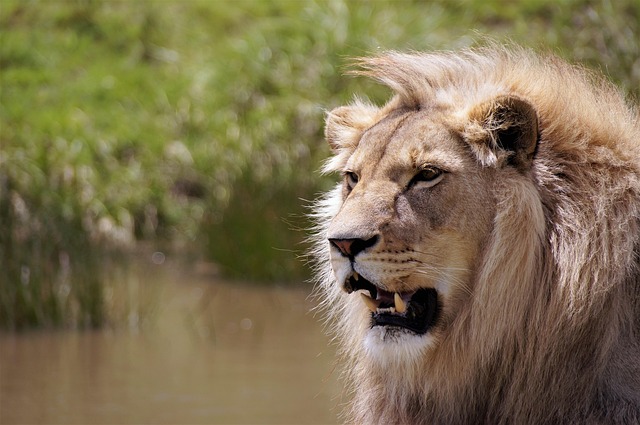
.jpg)
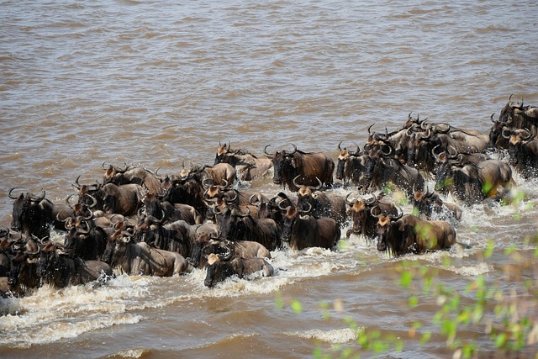

.jpg)