

 Premium
Maasai Mara Reserve · 2 Nights
Little Governors' Camp
Mara Reserve Edge (boat access), Kenya
Located within Maasai Mara National Reserve, on the Musiara Marsh side reached by a short boat crossing.

A specialist-guided pursuit of Kenya's lion, leopard and cheetah populations, built for serious wildlife photographers.
Built specifically for travelers who want to come home with a genuinely publishable portfolio rather than a phone full of distant snapshots, this nine-day itinerary is Paramount Gorilla Expeditions's dedicated photographic pursuit of Kenya's lion, leopard and cheetah populations across three of the greater Maasai Mara ecosystem's strongest big-cat territories. Every vehicle is fitted with bean-bag supports rather than relying on a standard window mount, group sizes are capped well below our normal safari maximum, and — critically — the route is sequenced specifically around each territory's specialty: the Maasai Mara Reserve's dense, well-known pride territories, Naboisho Conservancy's exceptional lion density with off-road positioning for genuine angle control, and Mara North Conservancy's strong leopard and cheetah ground with extended sits permitted at active sightings rather than the standard fifteen-minute rotation enforced elsewhere.
Specialist photographic guiding is a genuinely different skill from standard safari guiding, and it shows in the small decisions: positioning the vehicle with the sun behind you rather than simply closest to the animal, reading a lioness's pre-hunt body language early enough to reposition before she commits rather than after, and knowing which specific pride members tolerate close, engine-off approaches without altering their behavior. Naboisho and Mara North's off-road access — prohibited inside the national reserve itself — is what elevates this itinerary beyond a standard Mara safari, allowing genuinely considered composition rather than opportunistic shooting from a fixed track. Best light and best behavior both cluster around dawn and dusk, so expect early starts and late returns throughout; guests wanting midday rest are well accommodated, but this is, by design, a trip built around the golden hours.
Prime lion pride territory with dedicated bean-bag equipped vehicles.
One of Kenya's highest lion densities, with off-road positioning for angles.
Leopard and cheetah territory, with extended sits at active sightings.
Sign in to save this safari's dates and party size to your account, so you can pick up right where you left off.
Sign in to save this itineraryA light-aircraft flight from Nairobi's Wilson Airport delivers you into the heart of the Maasai Mara National Reserve, where your specialist photographic guide meets you at the airstrip for a detailed briefing on equipment setup, vehicle positioning etiquette and the two days' realistic expectations before the first game drive begins. The Mara Reserve's Musiara Marsh and Talek River areas hold some of the ecosystem's best-known and most habituated lion prides, several tracked continuously by long-running research projects, meaning strong odds of a productive first afternoon even before you reach camp. Vehicles here are fitted with bean-bag supports across every row rather than a single designated seat, and your guide works in constant radio contact with a wider network of Mara-based photographic guides to reach active sightings efficiently. By dusk, most groups have already secured usable frames of at least one resting pride — a confidence-building start to the week ahead.
A full day dedicated to the reserve's resident lion prides, timed around dawn and dusk's low, warm light rather than the flat overhead sun of midday, when your guide instead uses the break to review the morning's images and discuss composition with you directly. The Mara Reserve's open grassland and scattered acacia woodland suit wide sweeping shots as well as tight behavioral frames, and a single day here regularly produces multiple pride interactions — territorial roaring contests, cubs play-fighting near a kill, or a coalition of males patrolling a boundary. Your guide's understanding of specific prides' typical movement patterns through the day allows genuine anticipation rather than reactive shooting, positioning the vehicle ahead of likely activity rather than arriving after the moment has passed. Tomorrow's transfer into Naboisho Conservancy trades reserve-bound track restrictions for full off-road access, a meaningful upgrade for serious photographic positioning.
The transfer into Naboisho Conservancy is short but consequential: the moment you cross the boundary, your guide gains off-road access prohibited inside the national reserve, meaning the vehicle can now be placed at the precise angle a shot demands rather than wherever the nearest track happens to run. Naboisho holds one of Kenya's highest recorded lion densities, confirmed by ongoing conservancy research, and the afternoon's first off-road session typically demonstrates the difference immediately — low, ground-level angles on a resting pride, or a considered approach to a hunting female that keeps her comfortable rather than alert. Strict conservancy vehicle caps mean it's realistic to have a significant sighting entirely to yourselves, without another vehicle's silhouette or dust intruding on the frame. Evening includes a technical review session with your guide, working through the day's strongest images together.
Today pushes deeper into Naboisho's specific pride territories, with your guide's local knowledge of denning sites and preferred resting spots allowing sustained, unhurried access rather than brief drive-by encounters. The conservancy's rolling grassland and scattered rocky outcrops offer varied backdrops for composition — a pride silhouetted against an outcrop at first light reads very differently from the same pride on open plain at midday. Naboisho also permits night drives, and this evening's session, using red-filtered spotlights calibrated not to disturb natural behavior, targets nocturnal hunting activity largely invisible to reserve-bound visitors and genuinely rare in most photographic portfolios. Extended sits — remaining at a single productive sighting for forty-five minutes or more rather than rotating to the next vehicle report — are the conservancy's signature advantage, and today's itinerary is built to use that time deliberately rather than rush between locations.
Your final full day in Naboisho focuses on technique refinement alongside continued lion tracking — working with your guide on manual exposure for the Mara's famously fast-shifting light, panning technique for a moving pride, and the patient positioning required for a clean, uncluttered background rather than a distracting tangle of grass or vehicle tracks. An extended late-afternoon sit at one particularly active pride territory, timed to run through the full arc of golden hour into blue hour, is deliberately built into today's schedule rather than left to chance. Naboisho's conservancy researchers are sometimes available for an informal evening conversation about specific individual lions your guide has been tracking, adding genuine behavioral context to the week's images. Tomorrow's transfer into Mara North Conservancy shifts the focus from lion density toward the ecosystem's strongest leopard and cheetah ground.
The transfer into Mara North Conservancy carries you into terrain historically associated with some of the greater Mara ecosystem's most photographed leopards, including the Leopard Gorge area made internationally known through BBC's Big Cat Diary series. Mara North's riverine woodland and rocky drainage lines suit leopard behavior specifically — resting in tree forks during the heat of the day, moving along drainage lines at dawn and dusk — and your guide's territorial knowledge of specific resident cats significantly improves the odds of a considered, well-lit encounter rather than a fleeting glimpse. The afternoon's first session typically works known leopard territory along the gorge system, while open grassland areas nearby hold a resident cheetah population well suited to the conservancy's off-road access for low-angle hunting sequences. Evening closes with a technical debrief comparing the trip's lion, and now leopard, material side by side.
A full day dedicated to Mara North's leopard population, widely regarded as one of the most reliable and well-habituated in the entire Mara ecosystem thanks to decades of consistent, respectful vehicle presence. Your guide's approach prioritizes patience over pursuit — waiting at a known resting tree for natural movement rather than pushing closer and risking flushing the animal into cover, a technique that consistently produces cleaner, more natural behavioral images. Late morning and early afternoon are used for processing and reviewing images with your guide, discussing what separates a technically strong frame from a merely documentary one. The late-afternoon session extends into an active hunting window, when Mara North's leopards often begin moving well before full dark, giving a realistic chance at low-light action sequences using the vehicle's stabilized bean-bag support. This is, for many photographic guests, the single most productive day of the entire trip.
Your last full game-viewing day is left deliberately open, built around whatever specific sighting or subject has produced the strongest material so far — a return visit to a favored leopard's territory, extended time with Mara North's cheetah coalition, or a final attempt at a specific composition that didn't quite come together earlier in the week. Your guide's flexibility today reflects the trip's overall philosophy: photographic safaris succeed by prioritizing depth at fewer sightings over breadth across many, and extended sits of an hour or more at a single productive location remain entirely possible thanks to Mara North's strict conservancy vehicle caps. The evening's final sundowner, set on a rise with sweeping views back across the conservancy, doubles as an informal portfolio review with your guide, discussing final image selects before tomorrow's departure and reflecting on nine days spent almost entirely off any fixed track.
A final relaxed morning at your Mara North camp — an optional early session for anyone chasing one last frame — precedes a short flight from a nearby conservancy airstrip back to Nairobi's Wilson Airport for your onward or international connection. Our local team coordinates all timing around your outbound flight. Most photographic guests leave this itinerary with several thousand frames and a genuinely different understanding of what patient, considered wildlife photography actually requires.
Specialist photographic guide with real-time big-cat sighting network
Bean-bags, low vehicles and off-road positioning throughout
Small-group cap of 4 guests per vehicle for unobstructed angles
Extended multi-hour sits at active sightings rather than quick drive-bys
Located within Maasai Mara National Reserve, on the Musiara Marsh side reached by a short boat crossing.
Inside the Mara Naboisho Conservancy, a 50,000-acre community-owned reserve bordering — but administratively separate from — Maasai Mara National Reserve.
Inside Mara North Conservancy, a community-owned wildlife corridor bordering Maasai Mara National Reserve.
| Accommodation Tier | Per Person Sharing (USD) | Single Supplement |
|---|---|---|
| Classic Comfort | $8,200 | +$1,450 |
| Premium | $10,800 | +$1,900 |
| Ultra-Luxury | $13,500 | +$2,350 |
Rates are per person sharing, in USD, based on double occupancy in a small dedicated photographic group (maximum four guests per vehicle) during standard season; contact us for solo-traveler or private-vehicle surcharge pricing.
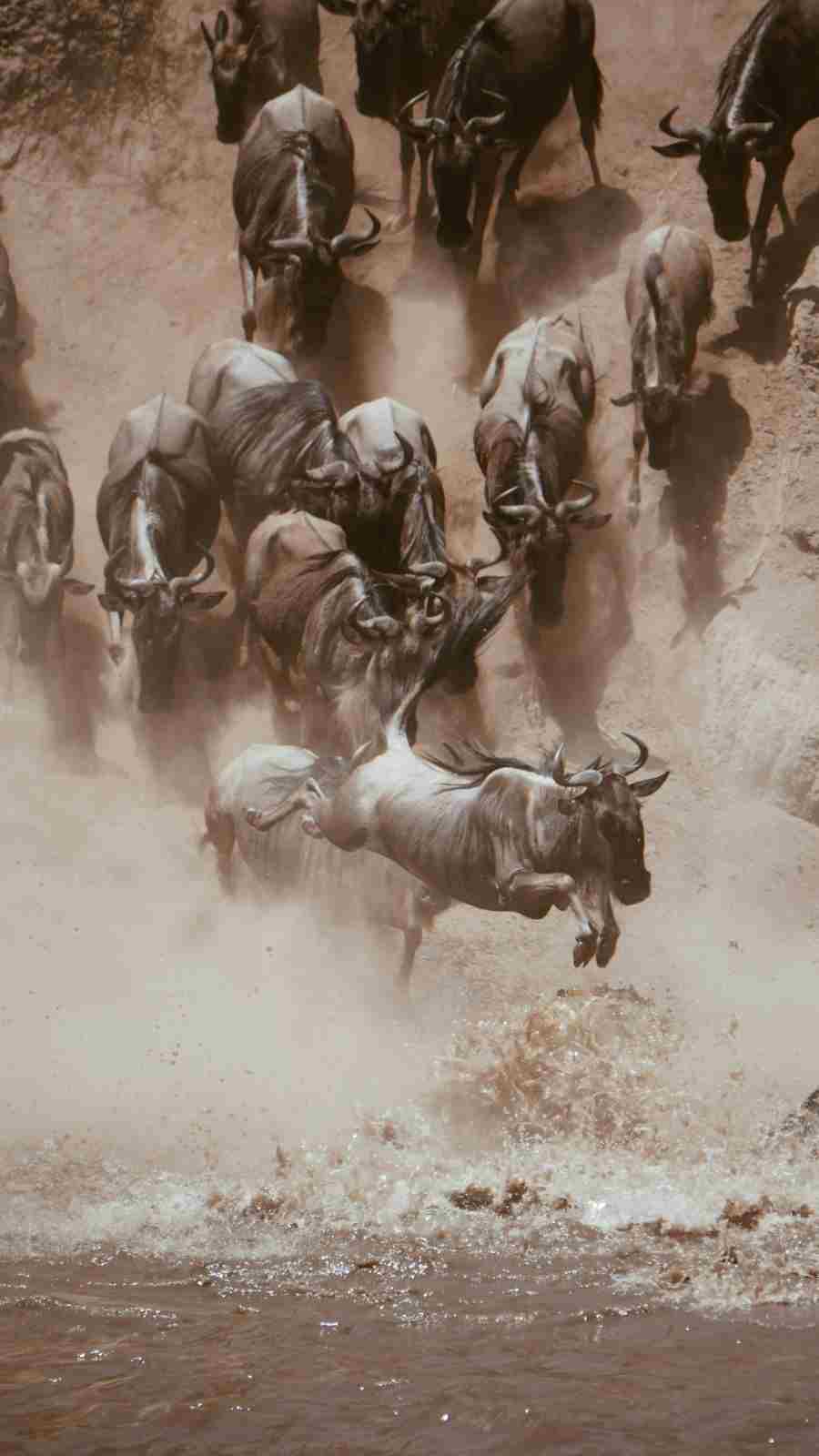

Prime lion pride territory with dedicated bean-bag equipped vehicles.
One of Kenya's highest lion densities, with off-road positioning for angles.
Leopard and cheetah territory, with extended sits at active sightings.
Located within Maasai Mara National Reserve, on the Musiara Marsh side reached by a short boat crossing.
Inside the Mara Naboisho Conservancy, a 50,000-acre community-owned reserve bordering — but administratively separate from — Maasai Mara National Reserve.
Inside Mara North Conservancy, a community-owned wildlife corridor bordering Maasai Mara National Reserve.
| Accommodation Tier | Per Person Sharing (USD) | Single Supplement |
|---|---|---|
| Classic Comfort | $8,200 | +$1,450 |
| Premium | $10,800 | +$1,900 |
| Ultra-Luxury | $13,500 | +$2,350 |
Rates are per person sharing, in USD, based on double occupancy in a small dedicated photographic group (maximum four guests per vehicle) during standard season; contact us for solo-traveler or private-vehicle surcharge pricing.
A 200-500mm or 150-600mm zoom covers the vast majority of big-cat work at typical safari vehicle distances.
The photographic vehicle and specialist guide are built into the quoted price — no separate photography permit is required in the conservancies used.
Kenya's two most iconic parks in one efficient week: the Mara's open plains and Amboseli's elephant herds bene…
A dedicated Mara-only itinerary built entirely around positioning you at the Great Migration's dramatic river …
Kenya's wild north — rare desert-adapted species, community conservancies, and some of the country's finest wa…
Answered from our own real trip details above -- itinerary, inclusions, difficulty, and more. For an exact price, use "Enquire Now" below.
Tell us your dates and group size — a destination specialist replies within 24 hours.
