Bwindi Lodge
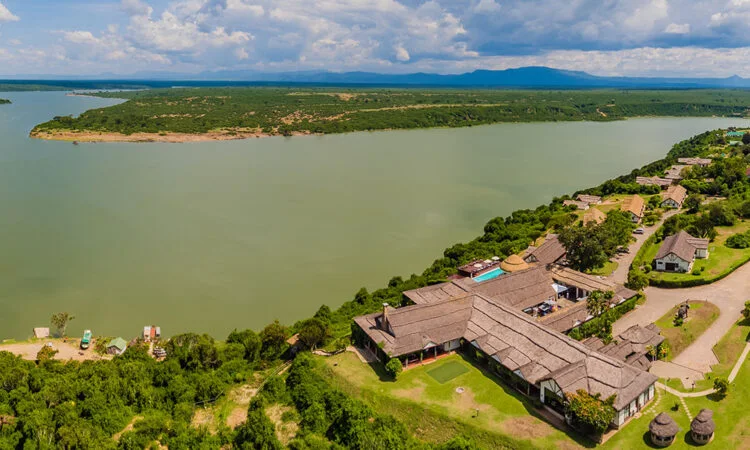
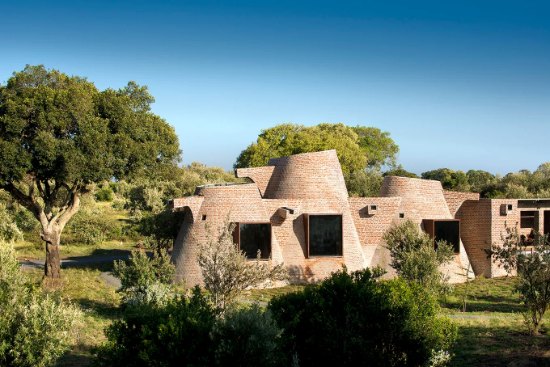
On private land adjoining Bwindi Impenetrable National Park's Buhoma sector, a short walk from the trekking trailhead.
Gorillas in Bwindi, the Mara's river crossings, the Serengeti's endless plains, and eight nights of Zanzibar's white sand — the definitive three-country journey.
Some journeys sample a continent. This one is built to give you all of it — the hush of a Ugandan cloud forest parting around a two-hundred-kilogram silverback, the thunder of a thousand wildebeest committing to a Mara River crossing, the cool air of the Ngorongoro rim before the crater floor's heat rises to meet you, and finally, the particular kind of stillness that only eight nights of Zanzibar's white sand can deliver. As our flagship 18-day Uganda, Kenya, Tanzania and Zanzibar itinerary, it is the single most comprehensive route in our library — and the one we recommend most often to travelers who tell us, honestly, that this may be their only trip to East Africa and they don't want to have to choose.
What makes it work isn't just ambition — it's timing and sequencing built from a decade of watching how these ecosystems actually move. Gorilla families in Bwindi are trekked in the cool, low-mist hours of morning, when they're still feeding close to their night nests rather than ranging deep into the forest. The Mara and Serengeti legs are positioned to intercept the Great Migration's river-crossing corridor, where Nile crocodiles lie motionless for hours waiting for the herd's nerve to break. And Zanzibar closes the trip deliberately last, not first — because after two weeks of pre-dawn wake-up calls, the reward of doing absolutely nothing hits differently. Every element below reflects exactly how our specialists route this itinerary today.
This itinerary can be shortened, extended, or combined with any other route in our library — including a Zanzibar or Seychelles finale on our multi-country templates, or paired directly with our signature Kenya Migration & Zanzibar Escape for an even more customized journey.
Arrive in Uganda and trek through ancient forest for a face-to-face encounter with a mountain gorilla family.
Boat cruise along the Kazinga Channel among hippos and elephants, then track tree-climbing lions.
Cross into Kenya's Mara ecosystem for dedicated Great Migration game drives at the height of crossing season.
Follow the herds into Tanzania's central and northern Serengeti, tracking resident big cat prides.
Descend into the crater floor for one of Africa's densest wildlife concentrations, including black rhino.
Fly to Zanzibar for barefoot beach days, a Stone Town heritage tour, spice farm visit and sunset dhow cruise.
Your journey begins on Ugandan soil at Entebbe International Airport, where an Paramount Gorilla Expeditions representative meets you for a smooth transfer to a domestic terminal for a scenic light-aircraft flight over Lake Victoria's northern shore and the folded green hills of the southwest. Touching down at Kihihi airstrip, a short drive through terraced hillsides and roadside banana plantations brings you into the Bwindi Impenetrable Forest — one of the last strongholds of the mountain gorilla and, at over 25,000 years old, among the most biodiverse forests on the continent. The afternoon is unhurried: settle into your forest-edge suite, meet your trekking guide for tomorrow's briefing, and let the descending mist and distant hornbill calls set the tone for what's ahead.
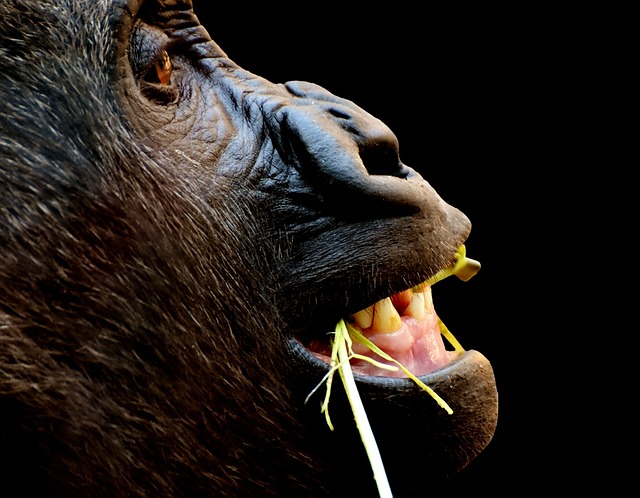
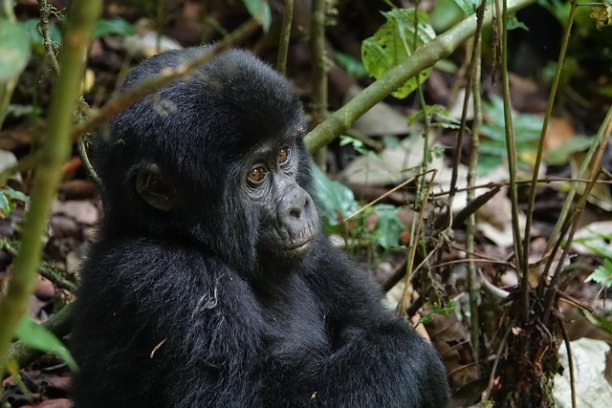
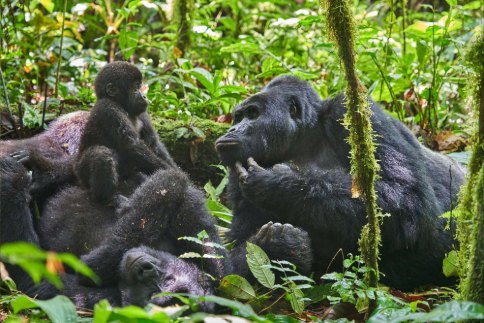
This is the day the whole itinerary is built around. After an early breakfast, you'll join a small trekking group of no more than eight guests at the park headquarters for a detailed briefing on the habituated gorilla family assigned to you and the trek's ground rules — a mandatory seven-meter distance, no flash photography, and absolute quiet in the family's presence. The trek itself can run anywhere from forty-five minutes to several hours depending on where the family fed and nested overnight, moving through dense understorey alongside armed rangers and expert trackers reading broken vegetation and fresh dung for clues. The one hour you're permitted with the gorillas once found is genuinely difficult to describe in advance — the silverback's low, rumbling contentment vocalizations, juveniles somersaulting through branches overhead, the disarming directness of a gorilla's gaze meeting yours. Most guests call it the single most moving wildlife encounter of their lives.
With your permit fulfilled, today shifts from wildlife to the human story of this forest. A guided walk with Batwa elders — the forest's original inhabitants, displaced when Bwindi was gazetted as a national park in 1991 — traces the medicinal plants, hunting techniques and hut-building methods that defined Batwa life for millennia, narrated firsthand rather than as museum reconstruction. The afternoon is yours to explore the Buhoma community trail on foot, browsing local craft cooperatives and, if timing allows, visiting a primary school supported in part by regional tourism revenue. It's a deliberately paced day after yesterday's exertion, and a reminder that Bwindi's conservation story is inseparable from the communities living alongside it.
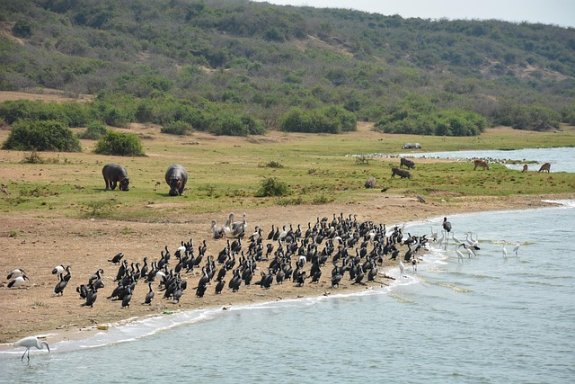
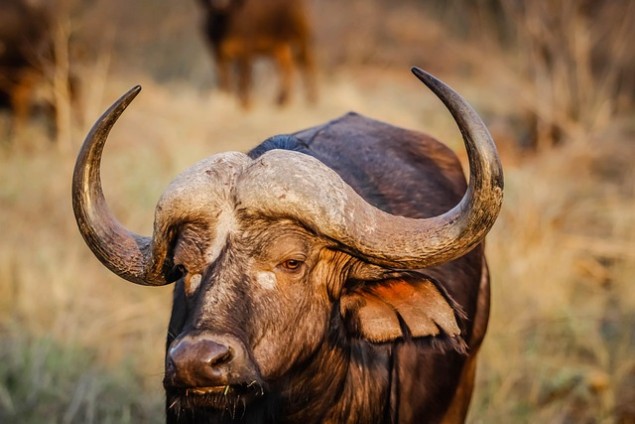
A scenic 2.5-hour drive north carries you out of the highlands and down into the Rift Valley floor, passing the crater lakes of the Kichwamba escarpment — a string of collapsed volcanic calderas now filled with brilliant blue-green water — before entering Queen Elizabeth National Park's northern sector. This ecosystem is a genuine change of register from Bwindi's dense forest: open savannah, euphorbia-studded ridgelines and the Kazinga Channel's wide, hippo-thick waters connecting Lakes Edward and George. After settling at your lodge overlooking the channel, the afternoon's Kazinga boat cruise delivers close-range sightings of hippo pods (Uganda holds one of Africa's densest concentrations), Nile crocodile, buffalo herds wading to drink, and a prolific bird list that regularly tops 100 species in a single outing.
A full day dedicated to Queen Elizabeth's open plains, beginning with an early game drive through the Kasenyi sector — prime territory for lion prides that have adapted to hunt this mixed savannah-woodland terrain, alongside Uganda kob performing their distinctive lekking mating displays at dawn. Depending on recent sightings, your guide may route toward the Ishasha sector further south, famous for tree-climbing lions that drape themselves across the low branches of fig trees, a behavior rarely seen elsewhere in East Africa and still not fully explained by researchers (leading theories point to escaping biting flies and the heat of the plains below). The afternoon offers a slower pace — a nature walk near the Maramagambo Forest or simply time at your lodge's channel-view deck — before an early night ahead of tomorrow's border crossing.
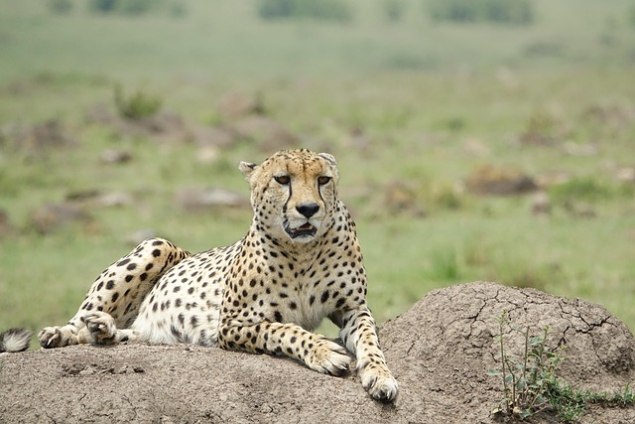
Today is a logistics day handled entirely on your behalf: a short flight connects you via Kasese or Entebbe onward to Nairobi's Wilson Airport, where a second light aircraft carries you directly into the Maasai Mara — Kenya's most storied wildlife ecosystem and the northern terminus of the Great Migration's annual circuit. Touching down on a private airstrip, you're met by your Mara-based guide and driven straight into an afternoon game drive rather than a transfer to a lodge lobby. The open, golden grassland here supports one of the highest predator densities on the continent, and it's not unusual to encounter your first pride of lions, or a lone cheetah scanning the horizon from a termite mound, within your first hour on Kenyan soil.
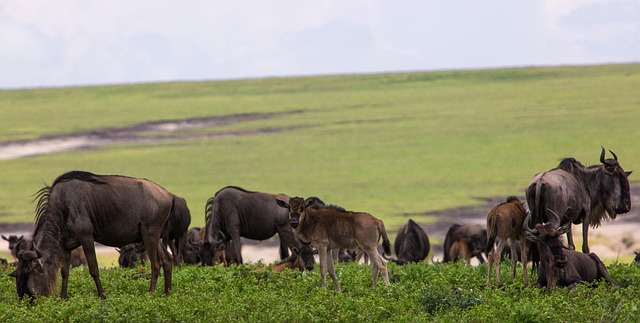
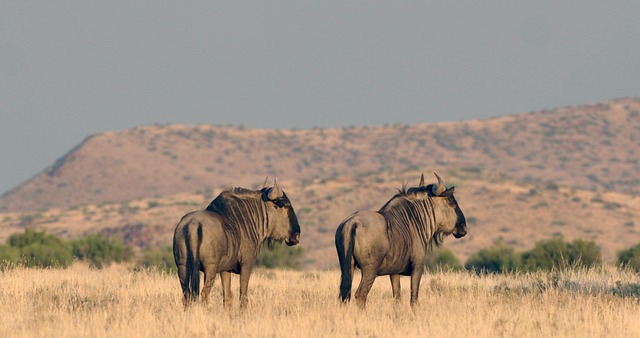
This full day is dedicated to the Mara River's crossing points — the single most dramatic set-piece in African wildlife, where up to 1.5 million wildebeest and several hundred thousand zebra funnel down steep river banks under pressure from herd momentum behind them, hesitate, and then commit en masse into water where Nile crocodiles have waited, often for days, without feeding. Your guide works a real-time network of spotter vehicles and radio contacts to position you at the most active crossing point given that morning's herd movement — patience is part of the experience, as crossings can happen within minutes of arriving or after several hours of quiet, tense waiting. Between crossing attempts, the surrounding plains hold resident lion prides, spotted hyena clans and, in the right season, some of the Mara's largest recorded elephant bulls.
Today trades the sometimes-crowded river crossing points for the private Mara North Conservancy bordering the national reserve, where off-road driving and night game drives — both prohibited inside the reserve itself — open up sightings impossible to arrange elsewhere on this itinerary. For early risers, an optional sunrise hot air balloon safari drifts silently over the plains as the first light catches the escarpment, followed by a traditional bush breakfast set up in the open grassland, champagne included. The remainder of the day is spent tracking resident cats at close range with your dedicated conservancy guide, before a sundowner overlooking the valley — the Mara's famous burnt-orange sunset is, without exaggeration, one of the most photographed skies in Africa.
A short flight crosses the invisible ecological border between the Mara and the Serengeti — one continuous ecosystem divided only by a national boundary — landing at an airstrip near Seronera in the park's central Seronera Valley. This region holds water and cover year-round, making it the Serengeti's most reliable big-cat territory regardless of season, home to some of the best-studied leopard and lion populations on the continent thanks to decades of long-running research projects based nearby. Your afternoon game drive introduces the Serengeti's scale in a way photographs never quite capture — genuinely endless short-grass plains meeting distant kopjes (granite outcrops) that serve as natural vantage points for resting lions and leopards alike.
A full day immersed in the Seronera Valley's resident predator populations, tracking specific known lion prides and leopard territories alongside your guide's accumulated local knowledge of denning sites and favored hunting grounds. Cheetah sightings are a genuine highlight here — the valley's open sightlines suit their hunting style, and it's not uncommon to watch a female methodically stalking Thomson's gazelle from several hundred meters out. Depending on the calendar, your guide will brief you each morning on where the wider migration herds are currently concentrated (the Serengeti-Mara ecosystem's migration is a genuinely circular, year-round movement rather than a single seasonal event), adjusting your route to intercept wildebeest and zebra columns whenever they're within reasonable range.
Today ventures toward the Serengeti's Western Corridor and the Grumeti River, a narrower, more intimate river-crossing point than the Mara's and — depending on the season's herd position — an equally dramatic crocodile ambush site, this stretch home to some of the largest Nile crocodiles recorded in East Africa, individuals reputed to exceed six meters in length. The Western Corridor's riverine forest also supports species less common in the open plains: vervet and colobus monkeys, African fish eagles perched along the water's edge, and dense populations of resident hippo. A relaxed final afternoon in the Serengeti allows time to revisit any pride or individual cat that made a particular impression earlier in the stay, before an early departure tomorrow.
The drive out of the Serengeti and up onto the Ngorongoro highlands includes a deliberate stop at Oldupai Gorge, often called the 'Cradle of Mankind' — the site where paleoanthropologists Louis and Mary Leakey uncovered hominin fossils in the 1950s and 60s that fundamentally reshaped our understanding of human origins, including Homo habilis remains dated to roughly 1.9 million years old. A short museum visit and guide-led briefing puts the surrounding landscape in a genuinely different perspective before the road climbs into cooler, cloud-forested highland air en route to your crater-rim lodge. Arriving in the afternoon, the crater itself is visible from your room's terrace — a vast, hazy green bowl over 600 meters below, holding one of the densest concentrations of wildlife anywhere on the planet within its unbroken caldera walls.
An early departure down the crater's steep access road delivers you onto the floor of the Ngorongoro Conservation Area by first light, when the crater's resident wildlife is at its most active before the equatorial sun climbs. Unlike the open migration ecosystems further north, the crater's population is largely non-migratory, sustained year-round by a permanent water source and grassland — meaning near-guaranteed sightings of all Big Five species within a single day, including some of Tanzania's last remaining black rhino, closely monitored due to their critically endangered status. The soda-lake shoreline draws flamingos in their thousands during the right season, while Maasai herders — who retain traditional grazing rights inside the conservation area under a unique dual land-use arrangement — can often be seen moving cattle along the crater's edge, a living link to the region's pastoral history predating the reserve itself.
A short domestic flight from the Ngorongoro highlands via Kilimanjaro or Arusha connects onward to Zanzibar's Abeid Amani Karume International Airport, where the shift in climate and pace is immediate — humid, salt-scented air replacing the highland chill, and the sound of the Indian Ocean replacing distant lion calls. A private transfer delivers you to your beachfront estate on the island's quieter southwest coast, where the remainder of the day is intentionally unscheduled: settle into your villa, walk the tideline as the sun drops, and let the first of eight consecutive nights without a pre-dawn wake-up call properly register.
A guided walking tour through Stone Town's UNESCO World Heritage-listed old quarter traces over a thousand years of Swahili, Omani, Persian and Indian trading history through its coral-stone architecture, elaborately carved wooden doors and narrow, market-filled lanes. The tour includes a visit to the former slave market site and its memorial — a sober, necessary counterpoint to the island's postcard beauty, documenting Zanzibar's central role in the 19th-century East African slave trade before its abolition in 1873. The afternoon shifts tone entirely with a visit to a working spice farm, where Zanzibar's centuries-old identity as the 'Spice Island' comes alive through hands-on encounters with clove, nutmeg, cinnamon and vanilla — clove exports alone once made this small island one of the wealthiest territories in East Africa.
A fully open day to set your own rhythm — extended breakfast, an afternoon by the estate's pool or the beach itself, and the option to arrange a snorkeling or diving excursion out to the reef systems off Zanzibar's coast, where healthy coral gardens support parrotfish, moray eels and, with good timing, resident sea turtles. For travelers wanting a change of scene, a dolphin-watching excursion off Kizimkazi on the southwest coast offers a strong chance of encountering pods of bottlenose and humpback dolphins in their natural feeding grounds, though sightings are never guaranteed and we brief every guest honestly on that before booking.
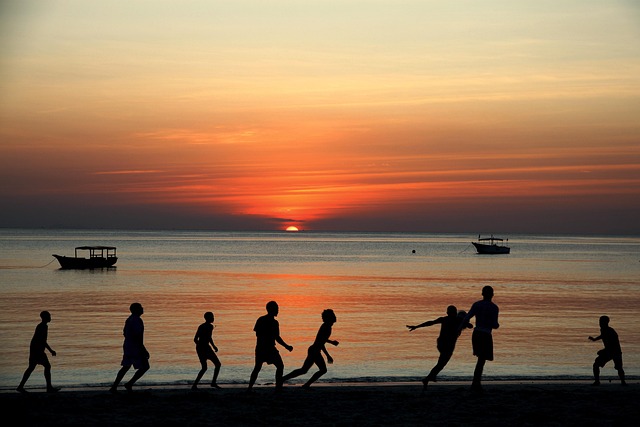
Your final full day begins at whatever pace you choose — most guests spend it simply making the most of the beach — before the evening's signature Zanzibar experience: a traditional wooden dhow, sailed rather than motored wherever wind allows, carrying you out along the coastline as the sun drops into the Indian Ocean. Onboard, a light selection of drinks and snacks accompanies views back toward the coastline's palm silhouettes, a quiet, unhurried close to eighteen days that began in a Ugandan cloud forest. A final dinner at your lodge that evening is the natural moment to reflect on the arc of the trip with your travel companions.
A relaxed final morning — depending on your flight time, a last swim or breakfast on the terrace — precedes your private transfer to Zanzibar's airport for your onward or homeward flight. Our local team remains available throughout this final transfer and beyond, and we're always glad to hear how the trip unfolded once you're home; a significant share of our bookings each year come from returning guests planning their next East Africa journey.
Gorilla permit, briefing and forest trek fully arranged in Bwindi
Positioned at Mara & Serengeti river crossings during peak movement
Full-day Ngorongoro Crater descent with resident black rhino
Five unhurried nights on Zanzibar's northern coast to close the trip
On private land adjoining Bwindi Impenetrable National Park's Buhoma sector, a short walk from the trekking trailhead.
On the Mweya Peninsula, located within Queen Elizabeth National Park.
On the Oloololo Escarpment rim, on private land immediately outside the Mara Triangle sector of Maasai Mara National Reserve, with a direct descent road into the reserve.
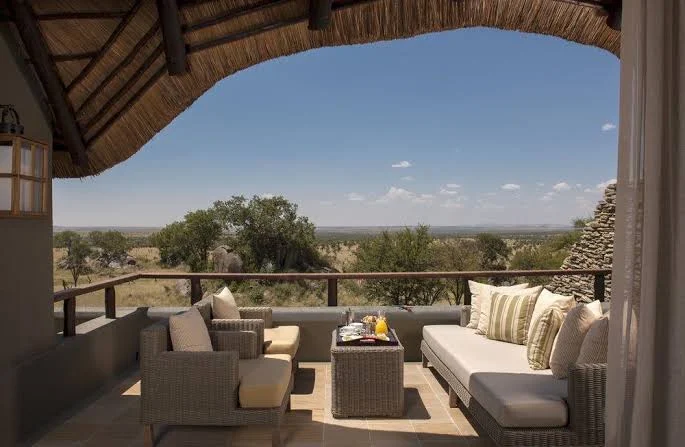
Located within Serengeti National Park's central Seronera region.
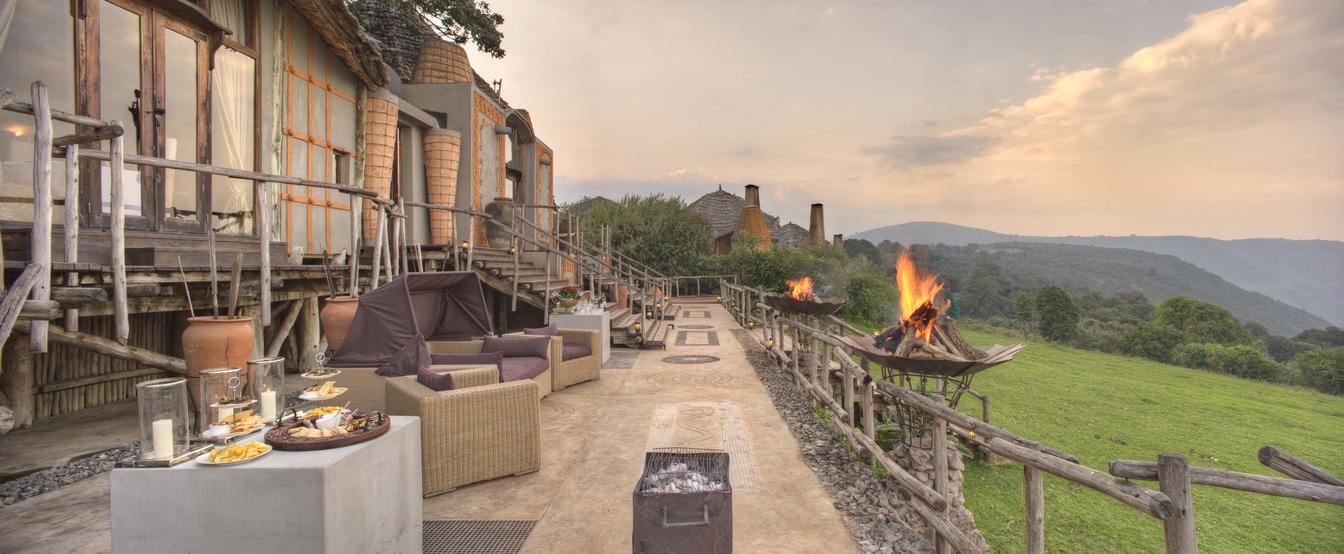
Located within the Ngorongoro Conservation Area, directly on the crater's rim.
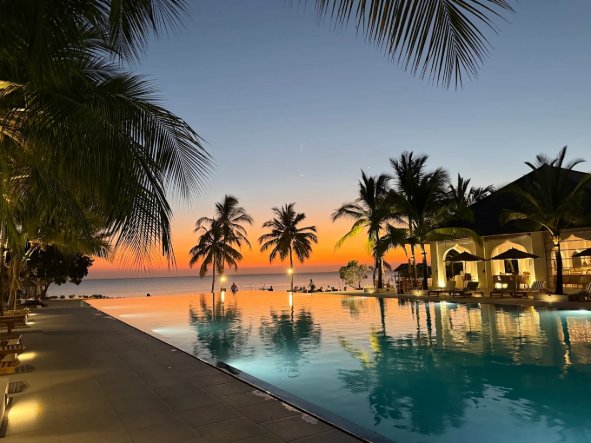
A beachfront estate on Zanzibar's south-west coast — not affiliated with a national park.
| Accommodation Tier | Per Person Sharing (USD) | Single Supplement |
|---|---|---|
| Classic Comfort | $13,400 | +$2,350 |
| Premium | $16,800 | +$2,900 |
| Ultra-Luxury | $21,900 | +$3,950 |
Rates are per person sharing, in USD, based on double occupancy during standard season (mid-May to mid-December); contact us for exact seasonal pricing, single-traveler rates and group discounts.
Yes — this pacing gives 2-3 full days in each core wildlife area plus a genuine beach recovery week, without rushed one-night stops.
It can be trimmed to 13-14 days by reducing Zanzibar to 3 nights or combining Queen Elizabeth with Bwindi — we'll rebuild the flight logistics around whichever cut you prefer.
A private-guide safari through Uganda's forests and Kenya's plains, closing with a barefoot-luxury Zanzibar ho…
A classic, comprehensive circuit through all three safari countries, timed to the migration, then five nights …
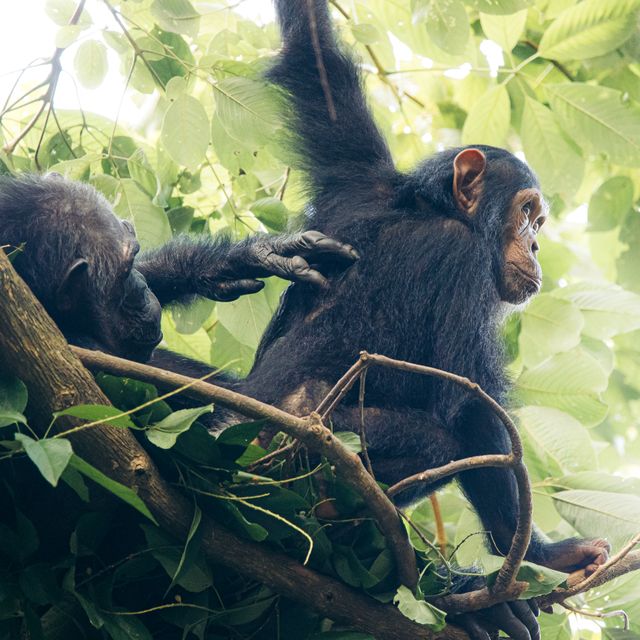
Chimpanzee tracking, Big Five game drives and a relaxed Zanzibar beach week — paced and planned for travelers …