Gorilla Trekking in Uganda-The Ultimate Guide for 2026
Gorilla trekking in Uganda is one of the most extraordinary wildlife experiences in Africa. Every year, thousands of travellers visit Uganda to encounter endangered mountain gorillas in their natural habitat, making gorilla tourism one of the country’s most important conservation and tourism activities.
This comprehensive guide covers everything you need to know about gorilla trekking in Uganda, including permits, costs, best travel seasons, packing lists, trekking difficulty, accommodation options, and how to plan an unforgettable gorilla safari.
What is Gorilla Trekking?
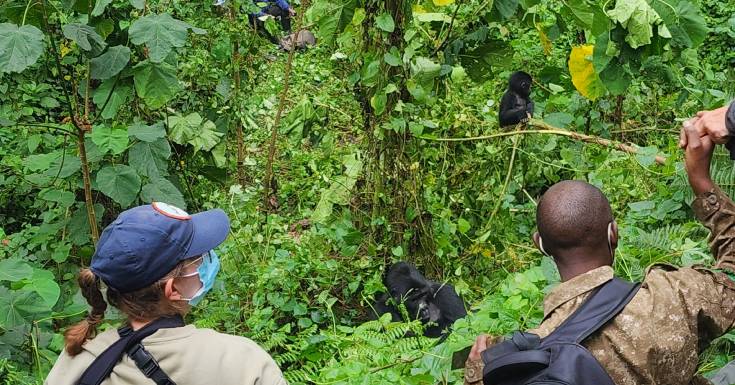
Gorilla trekking in Uganda is an adventure activity that involves hiking through dense tropical forests to locate a habituated family of mountain gorillas. Once the gorillas are found, visitors are allowed to spend one unforgettable hour observing them in their natural environment.
The experience takes place under the guidance of professional rangers and trackers who monitor gorilla movements daily.
The trek can last anywhere from one to six hours, depending on the location of the gorilla family on that particular day.
Permits for Gorilla trekking in Uganda
A gorilla permit is an official authorisation issued by the Uganda Wildlife Authority (UWA) that allows visitors to track mountain gorillas.
The permit grants:
- One gorilla trekking experience
- One hour with a habituated gorilla family
- Services of professional guides and park rangers
- Conservation support for mountain gorilla protection
Regardless of how long it takes to find the gorillas while on your Gorilla trekking in Uganda, the duration spent with them is limited to one hour.
Gorilla Trekking in Uganda- Gorilla Permit Prices
Current permit rates are:
| Permit Type | Cost |
|---|---|
| Uganda Gorilla Trekking Permit | USD 800* |
| Uganda Gorilla Habituation Permit | USD 1,500* |
| Rwanda Gorilla Permit | USD 1,500* |
| DR Congo Gorilla Permit | Subject to change |
*Permit prices should always be confirmed before booking, as rates may change.
Where to Go Gorilla Trekking in Uganda
Uganda offers gorilla trekking in two national parks:
Bwindi Impenetrable National Park
Bwindi is Africa’s most popular gorilla trekking destination and home to more than half of the world’s remaining mountain gorillas.
The park contains multiple habituated gorilla families spread across four sectors:
Buhoma Sector
- Mubare
- Habinyanja
- Rushegura
- Katwe
Ruhija Sector
- Bitukura
- Oruzogo
- Mukiza
- Kyaguliro
Rushaga Sector
- Nshongi
- Bweza
- Mishaya
- Kahungye
- Busingye
- Kutu
- Bikingi
- Rwigi
Nkuringo Sector
- Nkuringo
- Bushaho
- Christmas
Besides gorillas, Bwindi is home to:
- More than 120 mammal species
- 350 bird species
- 11 primate species
- Hundreds of butterfly species
Mgahinga Gorilla National Park
Mgahinga Gorilla National Park is Uganda’s smallest national park and hosts the famous Nyakagezi Gorilla Family.
The park also offers stunning volcanic scenery and excellent hiking opportunities.
Best Time for Gorilla Trekking in Uganda
Gorilla trekking is possible throughout the year. However, the dry seasons are generally considered the best times to visit.
Dry Season (Best Time)
June to September
- Easier hiking conditions
- Less muddy trails
- Excellent photography opportunities
- High demand for permits
December to February
- Drier weather
- Clear forest trails
- Comfortable trekking conditions
Wet Season
March to May
- Heavier rainfall
- Slippery trails
- Fewer tourists
- Better accommodation deals
October to November
- Moderate rainfall
- Lower visitor numbers
- Greater permit availability
Temperature in Bwindi
Average temperatures remain relatively stable throughout the year:
- Morning: 11°C (52°F)
- Afternoon: 23°C (73°F)
Uganda vs Rwanda Gorilla Trekking
Many travellers ask whether Uganda or Rwanda offers the better gorilla trekking experience.
Why Uganda is Often Preferred
More Affordable Permits
Uganda’s permits are significantly less expensive than Rwanda’s.
More Gorilla Families
Uganda has the highest number of habituated gorilla groups available for tourism.
More Diverse Safari Experiences
Visitors can combine gorilla trekking with:
- Chimpanzee tracking in Kibale Forest
- Game drives in Queen Elizabeth National Park
- Boat safaris on the Kazinga Channel
- Murchison Falls adventures
Better Value for Money
Uganda offers a complete safari experience at a lower overall cost.
How to Make Gorilla Trekking More Affordable
If you’re planning a gorilla safari on a budget, consider these money-saving tips:
Travel in a Group
Sharing transportation and guide costs significantly reduces expenses.
Stay in Budget Lodges
Accommodation near Bwindi ranges from budget-friendly guesthouses to luxury lodges.
Visit During Low Season
Accommodation rates are often lower during the rainy months.
Choose Uganda Instead of Rwanda
Permit costs are generally more affordable.
Use Scheduled Road Transfers
Road transport is usually less expensive than charter flights.
Accommodation Near Gorilla Parks
Accommodation around Bwindi and Mgahinga caters to every budget.
Budget Lodges
Starting from approximately USD 60 per room per night.
Mid-Range Lodges
Typically between USD 150 and USD 400 per night.
Luxury Lodges
Can exceed USD 2,500 per room per night.
Rates vary depending on:
- Location
- Amenities
- Service standards
- Views
- Seasonal demand
Where Can You See Gorillas in Africa?
Mountain gorillas can only be found in three countries:
- Uganda
- Rwanda
- Democratic Republic of Congo
Lowland gorillas are found in:
- Republic of Congo
- Central African Republic
- Gabon
- Equatorial Guinea
Contrary to popular belief, there are no gorillas in:
- Kenya
- Tanzania
- South Africa
However, these destinations can be combined with a gorilla safari for a broader East African wildlife experience.
How Difficult is Gorilla Trekking?
Gorilla trekking is considered a moderately challenging activity.
The difficulty depends on:
- Physical fitness
- Weather conditions
- Terrain
- Location of the gorilla family
Trek Duration
Most treks last between:
- 2 to 6 hours
- Occasionally longer, depending on the gorilla’s movements
Elevation
Bwindi’s elevation ranges from:
- 1,190 meters (3,904 feet)
- 2,607 meters (8,553 feet)
Steep slopes and dense vegetation can make trekking physically demanding.
Hiring a Porter
Hiring a porter is highly recommended because they:
- Carry your backpack
- Provide support on steep sections
- Enhance local community livelihoods
Gorilla Trekking Rules and Regulations
To protect both visitors and gorillas, all trekkers must follow strict regulations.
Important Rules
- Maintain a minimum distance of 7 meters from gorillas.
- Visitors must be at least 15 years old.
- Time with gorillas is limited to one hour.
- Flash photography is prohibited.
- Follow the ranger’s instructions at all times.
- Do not trek if you have a contagious illness.
- Cover your mouth when sneezing or coughing.
These rules help protect mountain gorillas from human diseases and stress.
Gorilla Habituation Experience
The Gorilla Habituation Experience offers a more immersive encounter than standard trekking.
Unlike regular trekking, visitors spend up to four hours with a semi-habituated gorilla family alongside researchers and conservation teams.
Why Choose Gorilla Habituation?
- More time with gorillas
- Smaller visitor groups
- Unique conservation experience
- Exceptional photography opportunities
Only four visitors are allowed per habituation experience each day.
Essential Packing List for Gorilla Trekking
Packing properly can greatly improve your trekking experience.
Clothing
- Waterproof hiking boots
- Long trousers
- Long-sleeved shirts
- Lightweight rain jacket
- Poncho
- Gardening gloves
Equipment
- Daypack
- Camera
- Binoculars
- Reusable water bottle
Personal Items
- Insect repellent
- Sunscreen
- Energy snacks
- Personal medication
What to Expect During Your Gorilla Trek
A typical gorilla trekking day begins early.
Morning Briefing
Visitors gather at the park headquarters around 7:00–7:30 a.m. for:
- Registration
- Group allocation
- Safety briefing
Entering the Forest
Guides and trackers lead visitors into the forest in search of their assigned gorilla family.
Along the way, you may encounter:
- Monkeys
- Forest birds
- Butterflies
- Other wildlife species
Meeting the Gorillas
Once located, visitors spend one magical hour observing the gorillas.
You can watch them:
- Feed
- Play
- Groom one another
- Interact as a family
For many travellers, this is the highlight of their African safari.
How to Book a Gorilla Permit in Uganda
Because permits are limited and demand is high, booking early is strongly recommended.
Booking Process
- Choose your preferred travel dates.
- Check permit availability.
- Submit passport details.
- Make payment.
- Receive permit confirmation.
Permits often sell out several months in advance, especially during the peak seasons of June to September and December to February.
Final Thoughts
Gorilla trekking in Uganda is a once-in-a-lifetime wildlife experience. From the mist-covered forests of Bwindi Impenetrable National Park to the volcanic landscapes of Mgahinga Gorilla National Park, Uganda offers some of the world’s most rewarding encounters with mountain gorillas.
Whether you are a wildlife enthusiast, photographer, conservation supporter, or adventure traveller, a gorilla trekking safari in Uganda promises unforgettable memories while contributing directly to the protection of one of the world’s most endangered primates.
This structure is far more likely to achieve strong readability scores, featured snippet opportunities, topical authority, and better rankings for competitive gorilla-tourism search terms.